
ABSTRACT
Background: With the growing recognition of mental health challenges, particularly among students, innovative and sustainable solutions are crucial. Traditional methods have their limitations, and new approaches are needed to foster collaborative problem-solving. The "Brain and Mind Institute: Student Mental Health Hackathon," held at Aga Khan University in October 2021, was conceived as an innovative platform to engage participants from diverse backgrounds in brainstorming solutions for student mental health challenges. This Hackathon, rather than focusing solely on the mental health issue itself, aimed to leverage interdisciplinary collaboration to generate practical, scalable solutions for student well-being.
Methods: A descriptive analysis was conducted to assess the outcomes of the Hackathon, focusing on its effectiveness as a collaborative platform. The study involved 74 participants, predominantly students, who were randomly assigned to teams based on shared problem-solving approaches. Descriptive statistics were used to analyze data collected on participants’ experiences, specifically assessing how well the Hackathon fostered teamwork and the development of viable solutions to the challenges presented.
Results: Among the 74 participants, 62% were female, with 65% aged between 21 and 30 years. Over 70% of participants were students, with 59% from healthcare backgrounds. The Hackathon received overwhelmingly positive feedback, with a mean score of 4.41 out of 5 on a Likert scale. Participants reported that the event effectively fostered empathy towards mental health issues and helped generate actionable ideas for addressing student mental health. Time constraints were identified as a significant challenge, limiting the depth of some proposed solutions.
Conclusion: The Hackathon organized by the Brain and Mind Institute demonstrated the power of interdisciplinary collaboration in addressing complex student mental health challenges. Despite time constraints, it proved to be an effective platform for generating practical solutions and fostering empathy. These findings highlight the potential of Hackathons as a model for future initiatives focused on student well-being, with further research needed to explore the long-term impact and scalability of such solutions.
Keywords: Mental health, Hackathon, Low and middle-income countries, Student, Innovative strategies.
BACKGROUND
Mental health, a crucial aspect of overall well-being, is essential for unlocking human potential and productivity. As awareness of mental health challenges grows, societies are grappling with the profound impact of psychological disorders, such as schizophrenia, depression, and anxiety [1]Gamification in radiology training module developed during the society for imaging informatics in medicine annual meeting Hackathon. However, social stigma and cultural beliefs often hinder seeking help, and hence, the need for innovative approaches in this day and age to tackle these barriers is imperative. Hackathons provide a platform for people from diverse backgrounds to come together and engage in productive discussions and competition to strategize a sustainable and potentially implementable solution [1]Gamification in radiology training module developed during the society for imaging informatics in medicine annual meeting Hackathon - [3]A heavy burden on young minds: the global burden of mental and substance use disorders in children and youth.
Among students, mental health issues have become an increasingly pressing concern, particularly in low- and middle-income countries [4]Mental health and well-being of university students: A bibliometric mapping of the literature. The American College Health Association’s (ACHA) Spring 2023 national survey, with a sample of over 55,000 undergraduate students, revealed 76% of surveyed students experiencing moderate-severe psychological distress, with only 36% diagnosed with anxiety and 28% with depression [5]American College Health Association-National College Health Assessment III: Undergraduate Student Reference Group Data Report Spring 2023. Students face multiple unique stressors as they navigate the academic journey, making them vulnerable to psychological problems on a daily basis. Global efforts to raise mental health awareness and foster supportive environments in educational settings are ongoing. Yet, access to adequate care remains limited, often due to social stigma, cultural barriers, and the country’s economic conditions, contributing to a rise in Disability Adjusted Life Years (DALYs) lost to mental health disorders [3]A heavy burden on young minds: the global burden of mental and substance use disorders in children and youth - [7]Community interventions to promote mental health and social equity. This increasing prevalence among students has made it essential to explore new, creative, sustainable, and cost-effective methods that can efficiently address these issues in today’s fast-paced, high-pressure educational environments.
In response to these challenges, a dynamic movement is emerging globally, gradually the Mental Health Hackathons. The Hackathon format provides a collaborative problem-solving platform that allows interdisciplinary teams made of people from all walks of life to engage and brainstorm together, whilst learning, growing, and generating innovative solutions to a given problem within a time-efficient manner [8]Healthcare Hackathons: fostering medical education through innovation in a developing country: a case study from Pakistan - [9]Health Hackathon: empowering students as tomorrow’s leaders in health. Over time, in the medical field itself, global studies demonstrate Hackathon’s value in promoting digitalization, gamification, and awareness initiatives from idea generation to implementation [10]Health Hackathons drive affordable medical technology innovation through community engagement. Other approaches to mental health interventions, such as counselling services and peer support, have their merits, however, Hackathons have provided a unique opportunity for professionals and students to collaborate in generating solutions outside of traditional frameworks. From advancing public health education to developing national IoT (Internet-of-Things) systems, Hackathons offer a unique space for professionals to collaborate and innovate [1]Gamification in radiology training module developed during the society for imaging informatics in medicine annual meeting Hackathon - [2]Interdisciplinary Hackathons–A Method to Embed Digitization in Healthcare Education, [11]Nuove modalità di didattica come strumenti di sanità pubbli-ca: Hackathon Public Health, [12]A Hackathon promoting Taiwanese health-IoT innovation.
Building on lessons learned from previous healthcare-focused Hackathons, the Brain and Mind Institute (BMI) organized a Student Mental Health (SMH) Hackathon, with its main objective centered around tackling the issue at hand of declining students psychological health, while also fostering engagement from a wide range of academic backgrounds to cultivate an inclusive atmosphere of innovation and growth [8]Healthcare Hackathons: fostering medical education through innovation in a developing country: a case study from Pakistan, [13]Zero cost approach to fostering multidisciplinary engagement and innovation in an academic medical centre during COVID-19: experience from the Jugaar Innovation Challenge.
Beyond addressing the main objective regarding collaborative efforts to counter students’ mental distress, the Hackathon aimed to raise awareness of the BMI among the Aga Khan University (AKU) Hospital community, including students, trainees, and medical residents. This is a pioneering group of like-minded individuals, aiming to become a pivotal asset in the University’s broader plan of the Integrated Mental Health Framework, to enhance student well-being across its campuses.
METHODOLOGY
Study Design and Setting:
We conducted a cross-sectional study in October 2021, during our seventh major Hackathon – the SMH Hackathon. This was structured as a multi-day virtual event, promptly advertised on all AKU social media platforms for maximal participation. AKU students, trainees, and medical residents from cross-continent campuses spanning Africa and Asia showed enthusiasm and self-enrolled based on their interest. The event invited participation from different specialties, partners, mental health professionals, innovation and entrepreneurship professionals, and champions of student experience. The objective was to share ideas and solve problems that are pertinent to students’ mental health and well-being in a safe, creative, structured, and collaborative atmosphere.
Inclusion and Exclusion Criteria:
All individuals who voluntarily participated in the SMH Hackathon and provided valuable feedback through the post-event survey were considered for inclusion in our study. Those who participated but were also actively involved in organizing the event simultaneously were excluded from the study to prevent any biases.
Study Procedure and Protocol:
The SMH Hackathon was a virtual event which took place from the 12th to 16th October 2021 (registrations ended during early October) on Discord (an online collaboration and “team play” platform), which served as the primary resource center for team building, knowledge exchange, community engagement, mentorship requests and live coaching sessions which were held across the progression of the event. During the initial days before the official event, from the time of registration, participants were guided to a SMH Hackathon Discord Community. Here, the participants, now officially identified as ‘hackers’, were encouraged to interact actively, share their topics of interest, expertise, and diverse backgrounds as an icebreaker. Hackers were encouraged to actively engage, communicate, and formulate a collective team of three to five members from diverse backgrounds to provide a range of perspectives. Each team member was then self-assigned and served a specific role as follows:
- Chief Empathy Officer: Emphasized on the humane aspect of the problem, identified the beneficiaries of the project, and worked with the design team to create ideas and visuals of the developing project.
- Chief Sustainability Officer: Meticulously calculated the cost-effectiveness of the solution, proposed ways to make the solution long-lasting, viable, and sustainable.
- Chief Design Officer: Designed the layout of how the problem and solution relayed, created visual illustrations (mock-ups) for better representation of the idea, and brought forward innovative techniques for an impactful pitch.
- Chief Marketing Officer: In charge of the social media hype and attention required to promote the team’s solution, and ensured the pitch clearly communicated the idea to the masses.
- Chief Diversity and Inclusion Officer: Ensured the solution was accessible to diverse groups of people, encouraging inclusivity, especially vulnerable groups, and ensured the easy accessibility.
Once the official event progressed, the teams were provided with ‘Milestones’ to achieve. These comprised of Team Formation & Name, Problem Statement, Solution score & demo, Access & Inclusion, Sustainability, Launch, and Final Pitch. (Table 1: Milestones)
A total of 14 teams, comprising 74 hackers, participated and completed the first 2 milestones successfully. However, only 10 teams were able to complete all five Milestones by the end of the event. The progress of each Milestone was actively monitored on Discord to facilitate any shortcomings or deficiencies that arose by the teams in real-time
TABLE 1: Milestones (Supplementary Table).
Multiple team-building and project-building steps to progress towards the goal.
Milestone |
Description |
Action Required |
Milestone 1 |
Team Formation and Team Name |
- Form a team and choose a name. |
Milestone 2 |
Problem Statement |
- Develop a 50–200-word problem statement related to mental health. |
Milestone 3a |
Solution Scope and Demo |
- Define and demonstrate your solution (with examples/visuals). |
Milestone 3b |
Access and Inclusion |
- Identify challenges to access and inclusion of the solution. |
Milestone 4a |
Sustainability |
- Define costs, resources, and sustainability plans. |
Milestone 4b |
Launch |
- Start a marketing campaign (e.g., social media presence). |
Milestone 5 |
Ready and Resilient! |
- Prepare and rehearse your pitch for judges. |
Throughout the event, hackers were able to gain guidance from professionals, incorporating advice from experienced personnel, and gained invaluable guidance and knowledge through the accessible live SMH Discord community platform.
The teams were judged by professionals on a pre-determined criterion based on a 5-minute presentation of their idea - Pitch. The judging panel evaluated each team's solution based on five criteria: Impact- for its relevance to student mental health, Innovation- for creativity, Feasibility and Sustainability- for practical implementation, Acceptability- for stakeholder attraction, and Presentation- for the effectiveness of the team's pitch. (Table 2: Judging Criteria).
TABLE 2: Judging Criterion (Supplementary Table)
Each team’s project was evaluated based on pre-determined criteria.
Criteria |
Description |
Weight |
Does the solution address a relevant problem in student mental health? |
25% |
|
Innovation |
Is the solution creative and new? |
25% |
Feasibility and Sustainability |
Can the solution be implemented and sustained over time? |
25% |
Acceptability |
Will institutional and other stakeholders be attracted to the solution? |
12.5% |
Presentation |
How effective was the team’s presentation during the pitch? |
12.5% |
The Hackathon brought forward a wide array of valuable and fascinating ideas to help students tackle mental health decline. Some of the top scored teams tackled the problems as follows:
Team Yarri:
Team Yaari worked on tackling barriers that cause disconnect within the students, specifically due to their introverted nature. By providing a tailor-made environment via ‘virtual sessions’, catered to individuals with social anxiety, the needs of both introverts and extroverts can be addressed.
Save Your Soul:
They analyzed multiple potentially viable ideas incorporating technology, focusing on timely evaluation, prevention, and intervention of the mental health problems, especially adolescent anxiety, amongst youngsters in Pakistan.
Team Serene:
This team focused on preventative and supportive measures by creating online mobile-based screening tools that could aid students and trainees in identifying and finding the right avenues for their mental health needs.
With high student participation, the Hackathon provided a direct perspective on the most pressing issues. The 14 teams focused on issues ranging from stress, anxiety, depression, burnout, social withdrawal, bullying, harassment, to suicidal ideation. These challenges are often shrouded in stigma, making it difficult for students to seek help. However, this platform empowered participants to bring forth possible implementable solutions, including the development of screening tools, applications, and the promotion of a systematic approach by hiring student counselors.
Before the conclusion of the event, Hackers completed the post-event survey to allow us to conduct process and impact evaluation, based on the Likert Scale Scoring System. Demographic data and Hackathon experiences were recorded for descriptive analysis to assess the event's overall impact on participants.
The evaluation form comprised statements rated on a Likert scale, assessing participants' perceptions of the Hackathon’s impact, relevance, feasibility of solutions, organization, mentorship, and personal growth.
It also gauged their confidence in entrepreneurship and willingness to pursue further development of their ideas.
Data Analysis
Descriptive statistics were run for all variables, proportions for qualitative variables were computed, and means with standard deviations were reported for quantitative continuous variables. The data was analyzed using the software STATA version 15.0.
RESULTS
A total of 74 individuals participated in the SMH Hackathon event. Among them, the majority were females, accounting for 62.16% of participants (n=46). 64.86% (n=48) of the hackers fell within the age range of 21-30 years. (Table 3: Demographics)
TABLE 3: Demographic Characteristics
Includes the 74 Hackers at SMH Hackathon at the Aga Khan University, Karachi, Pakistan.
Variable |
N |
(%) |
Age distribution |
||
<20 years |
12 |
(16.22) |
21-30 years |
48 |
(64.86) |
31-40 years |
11 |
(14.86) |
>40 |
2 |
(2.70) |
Unknown |
1 |
(1.35) |
Total |
74 |
(100) |
Gender |
||
Female |
46 |
(62.16) |
Male |
28 |
(37.84) |
Total |
74 |
(100) |
Occupation |
||
Student |
52 |
(70.27) |
Profession |
21 |
(28.37) |
Unknown |
1 |
(1.35) |
Total |
74 |
(100) |
Furthermore, more than half of the participants, 70.27% (n=50), were students (Table 4: Occupational Distribution). Within the group of student participants, 59.4% (n=44) hailed from healthcare disciplines, whilst 10.8% (n=8) came from business or art-related fields. 29% of the overall hackers represented diverse professions, encompassing roles such as healthcare staff, freelancers, and engineers (Table 4: Occupational Distribution).
TABLE 4: Occupational Distribution
Includes the 74 Hackers at SMH Hackathon at the Aga Khan University, Karachi, Pakistan.
Occupation |
N (%) |
Student |
|
Healthcare |
44 (59.4) |
Others (Business/Arts) |
8 (10.8) |
Staff/Profession |
|
Healthcare staff |
16 (21.6) |
Others (Engineer/Freelancing) |
5 (6.75) |
Unknown |
1 (1.35) |
Total |
74 (100) |
The event evaluation was performed based on the feedback provided by all the participants, as presented in Table 5: Feedback Questionnaire. A mean score of 4.41 (SD=0.75, n=74) on the Likert Scale indicated strong agreement on the positive impact of the Hackathon in enhancing participants’ empathy perception toward mental health issues faced by students. Most of the hackers agreed (Mean= 4.28, SD=0.82, n=74) that the Hackathon provided them with valuable opportunities to progress their ideas and encouraged them to pursue incubation-related activities. The two least favorable statements were “I felt the given time was adequate to complete the Hackathon” and “I felt different activities of the event started and finished on time.”
Feedback from the hackers indicated promising results. Participants appreciated the stress-free and enjoyable environment created during the Hackathon. The atmosphere was described as easy to understand, navigate, and mentor. The Hackathon's structure, divided into five milestones, inspired participants to push the boundaries of their thinking and sparked interest in solving contextual problems through entrepreneurial means. However, participants identified time constraints as a significant challenge in team-based solution incubation. Interdisciplinary interactions among teams were highly praised, as they provided efficient opportunities to share ideas and explore different perspectives, according to participants. Other difficulties identified based on surveys were participant expertise, funding, and founder drive/ passion. (Figure 1: Hurdles)
TABLE 5: Feedback Questionnaire
Administered to the 74 hackers at the SMI Hackathon at the Aga Khan University, Karachi, Pakistan.
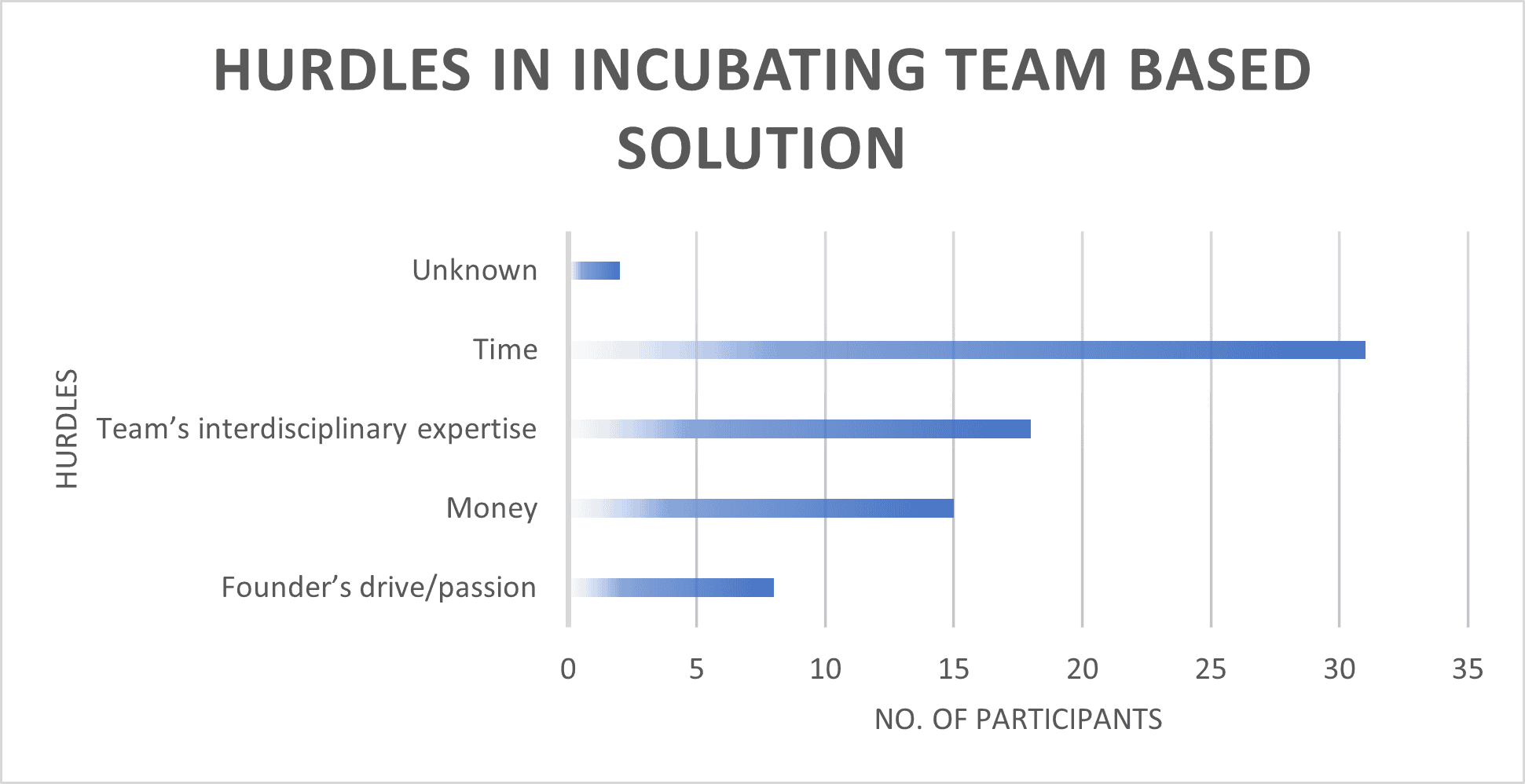
Figure 1: Hurdles in Incubating Team-Based Solutions.
Notably, teams with greater professional diversity exhibited higher productivity compared to more homogeneous teams. Thus, future efforts should target individuals from Information Technology (IT) and Engineering backgrounds paired with Health Care professionals to foster cross-disciplinary collaborations.
DISCUSSION
The escalating incidence of mental health issues among students across various academic fields has grown into a global concern with profound implications. These issues not only affect students during their academic years but also leave a lasting impact on their future lives and personalities. The medical field, known for its high-stress levels, has consistently demonstrated elevated stress levels among medical students, as evidenced by global studies. A meta-analysis conducted in China, involving a total of 30,817 Chinese medical students, revealed that the prevalence of depression (29%), anxiety (21%), and suicidal ideation (11%) was alarmingly high, highlighting the urgency of addressing mental health challenges within this population [14]Prevalence of mental health problems among medical students in China: A meta-analysis. Similarly, a meta-analysis of 59 studies conducted in Brazil indicated a high prevalence of depression (30.6%) and stress (49.9%) among students, with additional findings suggesting that factors such as lack of motivation, emotional support, and academic overload were strongly associated with mental health problems [15]Mental health problems among medical students in Brazil: a systematic review and meta-analysis. These findings emphasize the pressing need to address mental health challenges among the student population.
BMI, following the success of a previous virtual Hackathon, Jugaar Innovation Challenge [13]Zero cost approach to fostering multidisciplinary engagement and innovation in an academic medical centre during COVID-19: experience from the Jugaar Innovation Challenge, initiated the SMH Hackathon during COVID. Building on previous experience, the SMH Hackathon witnessed substantial female participation. This trend can be attributed to the extensive efforts invested to encourage and empower female participation in recent years. This time, we actively engaged youth to participate, offering a fresh, first-hand perspective on the critical issues surrounding student mental health currently.
Our study's findings resonate with the broader context of mental health issues among students, highlighting the potential of the SMH Hackathon to make a positive impact. It is evident from our research that the Hackathon experience ignites inspiration and motivation among participants. A significant majority reported feeling inspired after attending the Hackathon. This aligns with prior research that demonstrates the effectiveness of Hackathons in stimulating creativity and innovation across diverse fields, including healthcare and medical education [8]Healthcare Hackathons: fostering medical education through innovation in a developing country: a case study from Pakistan, [16]Fostering an innovation culture in the education sector: A scoping review and bibliometric analysis of Hackathon research. The Hackathon environment, characterized by collaboration, critical thinking, and solution-oriented problem-solving, serves as a catalyst for participants to explore fresh ideas, innovative solutions, and improve mental health and wellbeing.
Furthermore, our study revealed a remarkable shift in participants' empathy toward mental health issues faced by students. An overwhelming number of participants reported a positive impact on their empathy levels after the Hackathon experience. This result highlights the potential of Hackathons to raise awareness and deepen understanding of mental health challenges. Previous studies have also highlighted how Hackathons can serve as effective platforms for increasing awareness of public health issues and mobilizing engagement in addressing them [17]Fostering interdisciplinary working within global surgery at an undergraduate level: A Hackathon-based approach.
We aimed to extend the realm of entrepreneurship and innovation, and the Hackathon provided valuable opportunities to advance participants' ideas and encouraged them to explore incubation-related activities. This demonstrates the Hackathon's potential in nurturing entrepreneurial skills and motivating participants to explore the practical implementation of their solutions. Prior research has shown that Hackathons can act as a launchpad for entrepreneurial ventures, enabling participants to further develop their ideas [8]Healthcare Hackathons: fostering medical education through innovation in a developing country: a case study from Pakistan, [18]The effects of Hackathons on the entrepreneurial skillset and perceived self-efficacy as factors shaping entrepreneurial intentions.
In our increasingly technology-driven world, healthcare technology and innovation have emerged as promising avenues for addressing complex issues like mental health. Hackathons, as demonstrated by our study and previous experiences, offer an ideal platform for professionals from diverse backgrounds to collaboratively tackle pressing problems and generate implementable solutions [13]Zero cost approach to fostering multidisciplinary engagement and innovation in an academic medical centre during COVID-19: experience from the Jugaar Innovation Challenge, [15]Mental health problems among medical students in Brazil: a systematic review and meta-analysis.
The primary objective of the SMH Hackathon was to identify student-centric and productive outcomes, such as fledgling ideas, support mechanisms, and implementable solutions that could be adopted by the university. The Hackathon unveiled a multitude of innovative ideas addressing often-neglected challenges faced by students today.
Overall, despite the challenges faced, the SMH Hackathon yielded productive outcomes, highlighting the importance of cross-disciplinary interactions in the execution of innovative, realistic, and robust ideas. These results demonstrate the potential of Hackathons as a versatile tool in addressing mental health challenges among students and promoting innovative solutions that resonate with their unique needs and experiences.
Strengths:
Despite limitations, this study had a diverse participant pool, reputable mentors providing guidance, and integration of qualitative and quantitative data, reinforcing the efforts to address some of the limitations faced by Naseem et al. [19]Facilitating social innovation through a school emergency preparedness hackathon in Pakistan. The good response rate, post-event assessments through surveys, and emphasis on practical and sustainable solutions for student mental health challenges contribute to its robustness and real-world relevance.
Limitations:
We identified that this study has the following limitations:
- The research was conducted at a single institution, limiting the generalizability of the findings to other settings.
-The study relied on self-reported data, which may be subject to recall bias or social desirability bias. The use of a Likert scale for evaluation may lack the depth of quantitative assessments (descriptive analysis).
- Due to voluntary participation in the Hackathon, self-selection bias may be applicable. The exclusion of organizer participants may also introduce a selection bias as well.
- The short duration of the event poses time constraints, and short-term follow-up does not capture the long-term impact of the Hackathon's solutions on student mental health.
Future Recommendations:
Hackathons hold significant potential as dynamic platforms for tackling mental health challenges through collaboration and innovation. To maximize their impact, future events should:
- Extend incubation periods to prevent time constraints, allowing participants to further develop and refine their solutions.
- Assess the long-term impact of Hackathon participation by conducting follow-up evaluations at 6 months or 1 year. This would help determine whether the observed effects on empathy, collaboration, and problem-solving skills are sustained over time.
- Adequate resource allocation, including mentorship, funding, and technical support, is essential to sustain the innovative ideas generated during these events. With appropriate funding, the winning ideas can be piloted and scaled to have a tangible impact.
- Integrating scalable platforms like Innovly can help track, evaluate, and refine interventions over time, ensuring continuous improvement and global applicability.
By addressing these aspects, future Hackathons can become even more effective in driving meaningful progress on a large-scale global level.
Conclusion:
This Hackathon proved to be a dynamic platform for addressing the pressing mental health challenges faced by students. The event brought together participants from various backgrounds, encouraging creative collaboration and innovation. Despite time constraints, the Hackathon successfully generated practical solutions, fostering an empathetic approach towards the problem at hand and promoting entrepreneurial approaches in student mental health care. The event highlighted the significance of interdisciplinary interactions and the need to allocate more time for idea development to yield even more robust and implementable solutions. Although the above-mentioned limitations should be addressed in future studies to provide a holistic view of the impact Hackathons pose in the long term.
Declarations
Ethics approval and consent to participate
Not reported in the submitted manuscript. Editorial confirmation is needed before final PMC packaging.
Consent for publication
Not reported in the submitted manuscript. Editorial confirmation is needed before final PMC packaging.
Availability of data and materials
The hackathon evaluation materials are not publicly available. De-identified summary materials may be available from the corresponding author on reasonable request, subject to institutional approval.
Competing interests
The authors declare no commercial or financial conflict of interest.
Funding
No funding was received for this research.
Authors' contributions
Ume-e-Aiman Chhipa: Writing - original draft; Writing - review and editing; Conceptualization; Data curation; Methodology; Formal analysis | Ayesha Memon: Writing - original draft; Writing - review and editing; Methodology | Zeeshan Ahsan Allana: Writing - review and editing; Data curation; Formal analysis | Hasan N Tahir: Writing - review and editing; Investigation; Conceptualization; Project administration | Sidra Kamal: Writing - review and editing; Investigation; Conceptualization | Kendi Muchungi: Writing - review and editing; Conceptualization; Investigation; Supervision; Validation; Resources | Zul Merali: Writing - review and editing; Conceptualization; Project administration; Investigation; Resources | Diana MacKay: Writing - review and editing; Conceptualization; Project administration | Asad I Mian: Writing - original draft; Writing - review and editing; Conceptualization; Investigation; Supervision
REFERENCES
1. Staziaki PV, Santinha JA, Coelho MO, Angulo D, Hussain M, Folio LR. Gamification in radiology training module developed during the society for imaging informatics in medicine annual meeting Hackathon. Journal of digital imaging. 2022;35(3):714-22.
2. Ströckl DE, Perchtaler M, Oberzaucher J. Interdisciplinary Hackathons–A Method to Embed Digitization in Healthcare Education. dHealth 2022: IOS Press; 2022. p. 28-9.
3. Erskine H, Moffitt TE, Copeland WE, Costello EJ, Ferrari AJ, Patton G, et al. A heavy burden on young minds: the global burden of mental and substance use disorders in children and youth. Psychological medicine. 2015;45(7):1551-63.
4. Hernández-Torrano D, Ibrayeva L, Sparks J, Lim N, Clementi A, Almukhambetova A, et al. Mental health and well-being of university students: A bibliometric mapping of the literature. Frontiers in psychology. 2020;11:1226.
5. Association ACH. American College Health Association-National College Health Assessment III: Undergraduate Student Reference Group Data Report Spring 2023. Silver Spring, MD: American College Health Association; 2023. 2023 [Available from: https://www.acha.org/ncha/.
6. Fazel M, Hoagwood K, Stephan S, Ford T. Mental health interventions in schools in high-income countries. The Lancet Psychiatry. 2014;1(5):377-87.
7. Castillo EG, Ijadi-Maghsoodi R, Shadravan S, Moore E, Mensah MO, Docherty M, et al. Community interventions to promote mental health and social equity. Current psychiatry reports. 2019;21:1-14.
8. Butt WA, Shahood Q, Farooqi WH, Ghias K, Sabzwari S, Mian A. Healthcare Hackathons: fostering medical education through innovation in a developing country: a case study from Pakistan. BMJ Innovations. 2020;7(1):1-6.
9. Shah S, Liu KR, Short K, Lockett C. Health Hackathon: empowering students as tomorrow’s leaders in health. BMJ Paediatrics Open. 2025;9(1):e003271.
10. Mantzavinou A, Ranger BJ, Gudapakkam S, Broach Hutchins KG, Bailey E, Olson KR, editors. Health Hackathons drive affordable medical technology innovation through community engagement. Technologies for Development: From Innovation to Social Impact; 2018: Springer International Publishing.
11. Firenze A, Provenzano S, Santangelo O, Alagna E, Piazza D, Torregrossa M. Nuove modalità di didattica come strumenti di sanità pubbli-ca: Hackathon Public Health. Clin Ter. 2017;168(6):e421-7.
12. Iqbal U, Dagan A, Syed-Abdul S, Celi LA, Malwade S, Hsu M-H, Li Y-CJ. A Hackathon promoting Taiwanese health-IoT innovation. Computer Methods and Programs in Biomedicine. 2018;163:29-32.
13. Ahmed R, Dayani K, Amir HA, Mian A. Zero cost approach to fostering multidisciplinary engagement and innovation in an academic medical centre during COVID-19: experience from the Jugaar Innovation Challenge. BMJ innovations. 2020:bmjinnov-2020-000542.
14. Zeng W, Chen R, Wang X, Zhang Q, Deng W. Prevalence of mental health problems among medical students in China: A meta-analysis. Medicine. 2019;98(18):e15337.
15. Pacheco JP, Giacomin HT, Tam WW, Ribeiro TB, Arab C, Bezerra IM, Pinasco GC. Mental health problems among medical students in Brazil: a systematic review and meta-analysis. Brazilian Journal of Psychiatry. 2017;39:369-78.
16. Garcia MB. Fostering an innovation culture in the education sector: A scoping review and bibliometric analysis of Hackathon research. Innovative Higher Education. 2023;48(4):739-62.
17. Veerappan VR, Kumar NS, Selvakumar J, Kakwani M, Marks KM. Fostering interdisciplinary working within global surgery at an undergraduate level: A Hackathon-based approach. Surgery Open Science. 2023;15:26-31.
18. Szymanska I, Sesti T, Motley H, Puia G. The effects of Hackathons on the entrepreneurial skillset and perceived self-efficacy as factors shaping entrepreneurial intentions. Administrative Sciences. 2020;10(3):73.
19. Naseem A, Ahmad S, Yousuf S, Ali H, Mian AI. Facilitating social innovation through a school emergency preparedness hackathon in Pakistan. Technology, Pedagogy and Education. 2023;32(1):17-28.