

Tuberculosis (TB) is the one of the most common communicable disease in India. TB manifests in two forms, pulmonary and extrapulmonary type. The pulmonary type is the most common manifestation that presents clinically as cough with expectoration, fever, night sweats and weight loss. Among the extrapulmonary type, lymphadenitis is the most common manifestation and we are presenting a case report of a rare Isolated TB Axillary Lymphadenitis case. Axillary TB lymphadenitis is more common in females. Chest X-ray and Ultrasound are the primary investigations, histopathology being the confirmatory diagnostic test.
Introduction
Tuberculosis (TB) is a contagious disease that presents with various manifestations depending on the organ involved. Extrapulmonary TB (EPTB) affects organs other than the lungs, such as the meninges, lymph nodes, gastrointestinal tract, pleura, genitourinary tract, and bones. The most common form of extrapulmonary TB is tuberculous lymphadenitis, or scrofula, particularly in the cervical region. [1]Karleen C, Saniasiaya J. Cervical tuberculous lymphadenitis. BMJ Case Reports. 2021 May;14(5):e241807. Less than 5% of cases involve axilla. [2]Hwang E, Szabo J, Federman A, Margolies LR. Reactivation tuberculosis presenting with unilateral axillary lymphadenopathy. Radiology Case Reports. 2018 Sep 15;13(6):1188–91. Tuberculous lymphadenitis (TBLN) typically arises from the reactivation of primary tuberculosis infection, the progression of an existing primary infection, or through hematogenous dissemination associated with miliary tuberculosis. [3]Gupta A, Kunder S, Druti Hazra, Shenoy VP, Chawla K. Tubercular Lymphadenitis in the 21st Century. International Journal of Mycobacteriology. 2021 Apr 1;10(2):162–5. EPTB is more prevalent in immunocompromised patients. [4]Jawed A, Zoaib Habib Tharwani, Siddiqui A, Masood W, Qamar K, Islam Z, et al. Better understanding extrapulmonary tuberculosis: A scoping review of public health impact in Pakistan, Afghanistan, India, and Bangladesh. Health Science Reports. 2023 Jun 1;6(6).
Extrapulmonary manifestations are challenging to diagnose due to symptoms overlapping with those of various other systemic diseases. Standard investigations for diagnosis typically include sputum examination and chest X-rays; however, with the rise of atypical presentations, there is an increasing reliance on CT scans, histopathological studies, and biological markers for accurate diagnosis.
Case report
A 47-year-old female presented with a complaint of swelling in the left axilla for one month, associated with weight loss. There were no accompanying symptoms such as fever, fatigue, or night sweats. The swelling had a gradual onset, was progressive, and painless. The patient reported no history of chronic cough or previous tuberculosis (TB) exposure, nor any contact with an individual diagnosed with TB. Additionally, there was no history of lumps in the breast, nipple discharge, or heaviness in the breast. On examination, the patient showed no evidence of pallor, icterus, cyanosis, clubbing, or pedal edema. Local examination revealed that both breasts appeared symmetrical, with no nipple discharge present and the nipple-areolar complex appearing normal. Multiple non-mobile lumps were palpated in the left axilla, with the largest swelling measuring 2 x 2 cm. The contralateral axilla was free of any masses upon palpation. Routine blood investigations were conducted, including a complete blood count, blood sugar profile, renal function tests, and liver function tests. Results indicated an increased erythrocyte sedimentation rate (ESR), significantly decreased Vitamin B12 levels, elevated alkaline phosphatase (ALP), and a deranged serum glutamate oxaloacetate transaminase (SGOT) to serum glutamate pyruvate transaminase (SGPT) ratio. [Table 1]
PARAMETERS | VALUES OBSERVED | BIOLOGICAL REFERENCE VALUES |
Haemoglobin (HB) | 13.5 | 12-15 gm/dl |
Total Leukocyte Count (TLC) | 4500 | 4000-10000 cu.mm |
Platelets | 190 | 150-450 x 10^3/µL |
Vitamin B12 | 52 | 120-807 pg/ml |
SGOT/SGPT Ratio | 1.47 | 0-<1 |
Alkaline Phosphatase-Serum | 255 | 40-150 U/L |
ESR | 70 | 0-15 mm |
C-Reactive Protein (CRP) | 2.94 | 0-6 mg/L |
HIV 1 & 2 Antibodies | Non - Reactive | Non – Reactive |
MANTOUX | <7 mm induration | <7 mm induration |
Table 1: Blood parameters of patient
HIV 1 and 2 antibodies were negative. The chest X-ray showed no significant abnormalities. Figure 1 depicts the Fine Needle Aspiration Cytology (FNAC) smear, which showed epithelioid cell granulomas along with a few scattered spindle cells and occasional necrosis; the stain for acid-fast bacilli (AFB) was negative. On ultrasound, as illustrated in Figure 2, several oval anechoic sub-centimetric cysts scattered throughout the bilateral breast parenchyma were observed, likely indicating fibrocystic changes. Additionally, there was evidence of multiple well-defined hypoechoic lesions (more than four) or enlarged lymph nodes in the left axilla with minimal vascularity, the largest node measuring 2 x 2 cm. The Tuberculosis Interferon Gamma Assay was positive, while the Mantoux test revealed no induration after 72 hours.
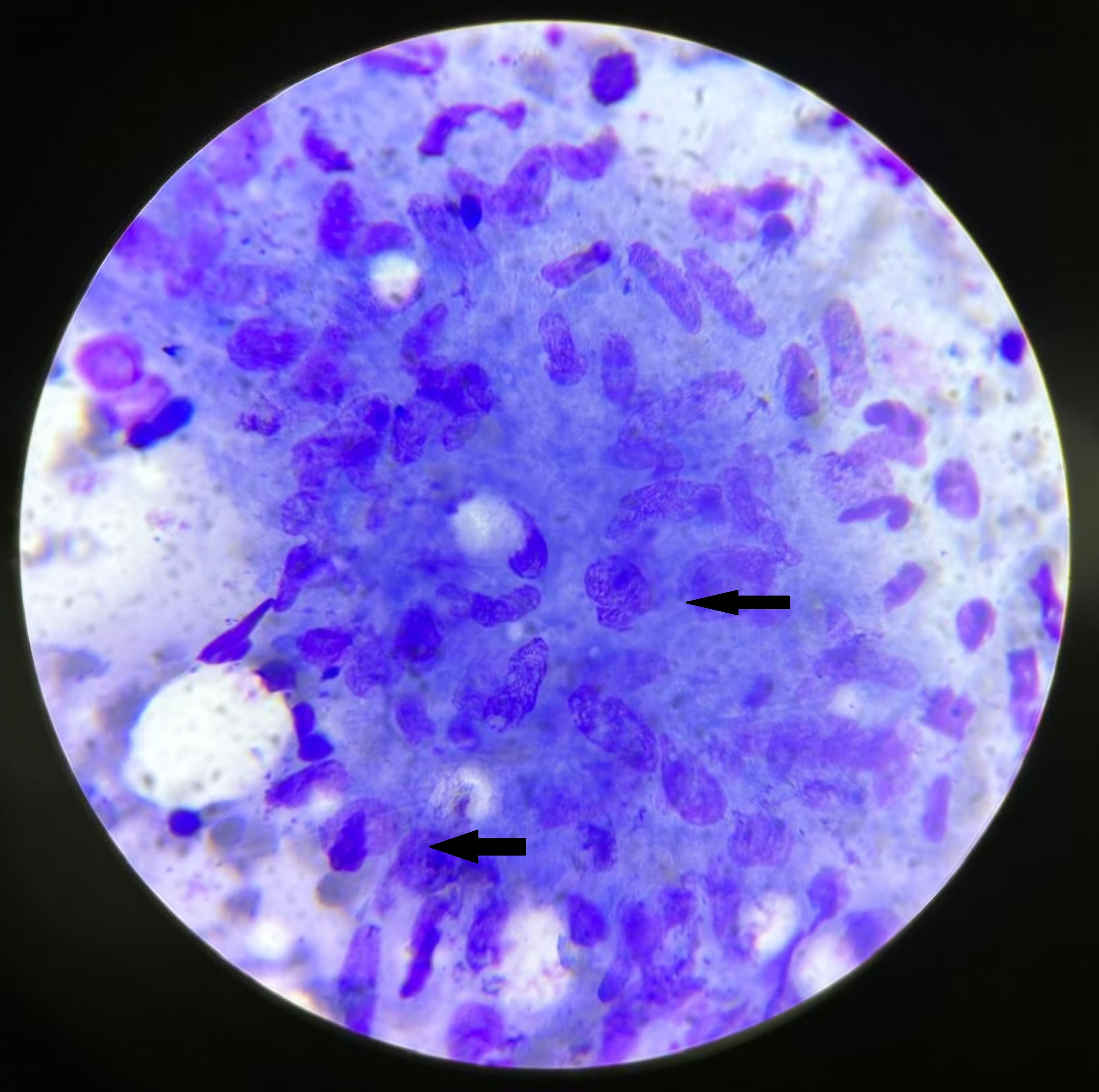
Figure 1: FNAC Smear showing epitheloid giant cells
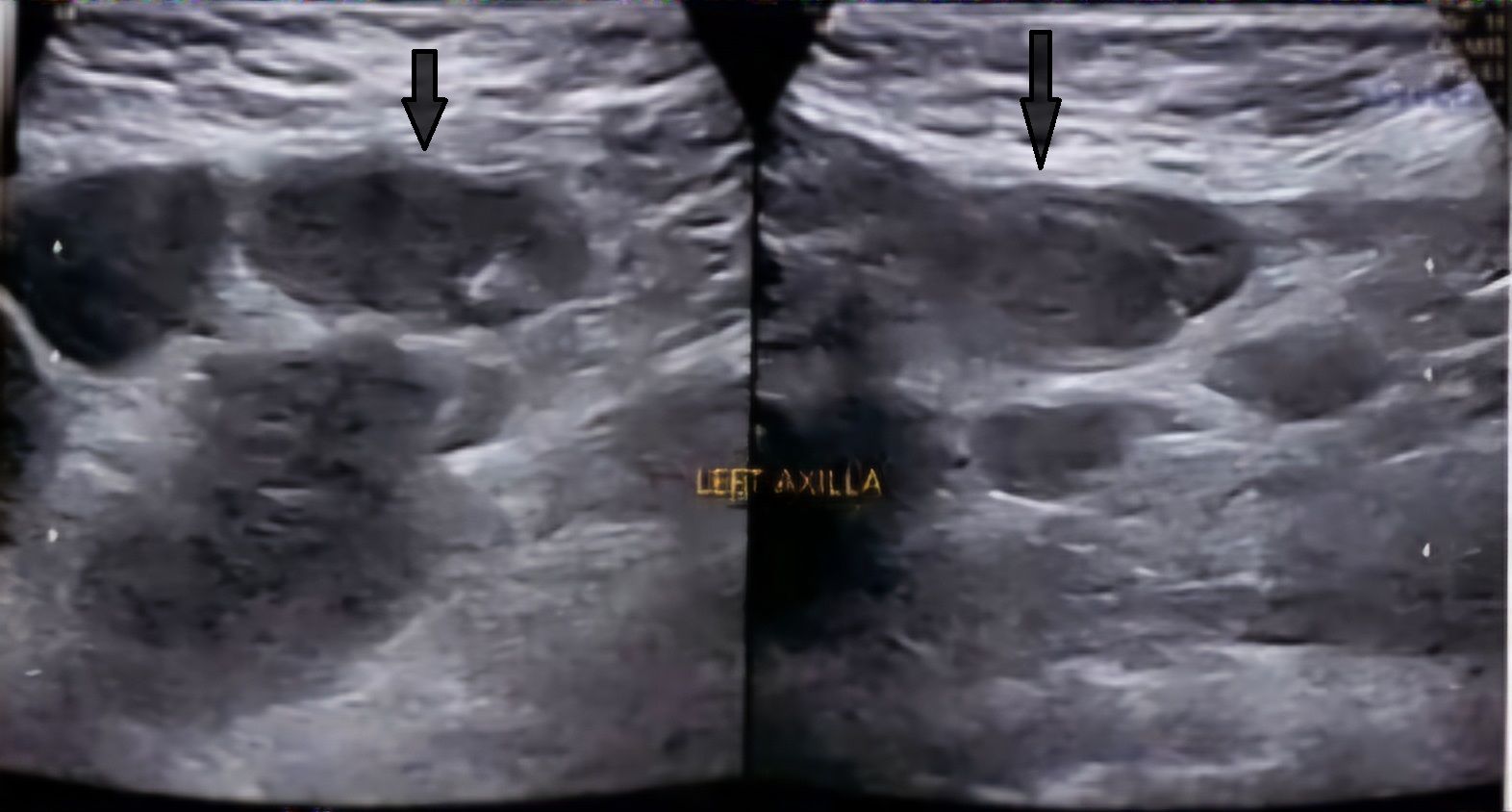
Figure 2: USG showing hypoechoic lymph nodes.
Discussion
Unilateral axillary lymphadenopathy can be associated with both benign and malignant diseases. Peripheral lymphadenopathy may result from infection, inflammation, trauma, or nonspecific reactive changes. The prevalence of malignancy in isolated unilateral axillary lymphadenitis is less than 1.1%. [2]Hwang E, Szabo J, Federman A, Margolies LR. Reactivation tuberculosis presenting with unilateral axillary lymphadenopathy. Radiology Case Reports. 2018 Sep 15;13(6):1188–91.
Primary breast carcinoma is the most common malignant cause of metastasis in the axillary region; therefore, a thorough breast examination and biopsy of any lesions found are necessary to exclude malignancy. Lymphoma is another important differential diagnosis. Additionally, extramammary malignancies that may present with axillary lymphadenopathy include cancers of the lung, thyroid, gastrointestinal tract, and pancreas.
Benign causes of granulomatous axillary lymphadenopathy, as evident in Fine Needle Aspiration (FNA), include infectious causes such as tuberculosis, histoplasmosis, cat scratch disease, tularemia, toxoplasmosis, leprosy, and syphilis. Non-infectious causes include berylliosis and sarcoidosis.
Axillary tuberculous lymphadenitis is more common in young to middle-aged females and is often more prevalent on the left side, likely due to communication with the thoracic duct or the lymphatic drainage of the left upper limb. [5]Jayabal P, Arumugam S. A case of isolated axillary tuberculous lymphadenitis. Nigerian Journal of Medicine. 2020;29(4):723. On ultrasound of the local region, several features support the diagnosis of tuberculous lymphadenitis like hypoechogenic lymph nodes, central part of the node appearing hyperechogenic due to caseation necrosis, matted lymph nodes, blurred margins, presence of multiple lymph nodes, ovoid shape, multiple coarse calcifications and absence of a hilum. Excision biopsy along with anti-tuberculous treatment is typically used for managing cases of tuberculous lymphadenitis.
A case documented by Nwagbara et al. [6]Maurice E Asuquo NV. Tuberculous Axillary Lymphadenopathy: A Case Report. Journal of Tropical Diseases. 2013;01(03). involved a female patient with axillary tuberculous lymphadenopathy who lacked the typical symptoms of tuberculosis (TB), and the diagnosis was confirmed through an excision biopsy. This case is similar to that case with the only difference being the patient in this case was not immunucompromised, Ścieszka et al. emphasized the usefulness of ultrasound in the initial screening of axillary tuberculous lymphadenopathy. They recommended conducting a histopathological examination of the excised lymph node to confirm the diagnosis, as imaging findings can overlap with other conditions that may mimic tuberculous adenitis, including sarcoidosis, histoplasmosis, and fungal infections. [7]Ścieszka J, Dagmara Urbańska‑Krawiec, Maciej Kajor, Leszek Stefański. Isolated axillary lymph node tuberculosis in ultrasonography. A case report. Journal of Ultrasonography. 2012 Sep 30;12(50):354–7. Goyal et al. highlighted the significance of performing a biopsy on the lymph node in their case report. They noted the potential for simultaneous occurrence of breast carcinoma and axillary tuberculous adenitis due to immunosuppression. Coordinated management of both conditions is essential for improving outcomes, as untreated tuberculosis can adversely affect cancer treatment and vice versa. [8]Goyal S, Singh P, Goyal S. Primary tuberculous granuloma in axillary lymph node draining breast cancer: A rare coincidence and review of recent literature. Clinical Cancer Investigation Journal. 2013;2(3):266. Overall, heightened awareness and early intervention are crucial for optimizing patient care in cases of axillary tuberculous lymphadenitis.
The case presented is most likely axillary tuberculous lymphadenitis, as indicated by the positive Interferon Gamma Assay and the Fine Needle Aspiration (FNA) report revealing foamy macrophages and epithelioid cell granulomas. The TB Culture done in the form of LJ Media is also positive which confirms the diagnosis. Multiple cytokines are involved in the pathogenesis of caseating epithelioid granulomas, including IL-12, TNF-alpha, and IFN-gamma. Interleukin-12 (IL-12) is particularly important for promoting the differentiation of T cells into Th1 cells, which produce interferon-gamma (IFN-γ). [9]Cooper AM, Magram J, Ferrante J, Orme IM. Interleukin 12 (IL-12) Is Crucial to the Development of Protective Immunity in Mice Intravenously Infected with Mycobacterium tuberculosis. Journal of Experimental Medicine. 1997 Jul 7;186(1):39–45. These cytokines further stimulate macrophages, enhancing their ability to phagocytize pathogens. [10]Pagán AJ, Ramakrishnan L. Immunity and Immunopathology in the Tuberculous Granuloma. Cold Spring Harbor Perspectives in Medicine. 2014 Nov 6;5(9):a018499. The cytokine TNF alpha is critical for granuloma formation and appears to be required for the maintenance of granulomas. This cytokine plays several roles in tuberculosis, each likely important in controlling Mycobacterium tuberculosis infection. TNF-alpha serves as a key signal for macrophage activation, in conjunction with IFN-γ. Overall, the involvement of these cytokines underscores the immune response mechanisms at play in axillary tuberculous lymphadenitis and highlights the importance of timely diagnosis and management. [11]Flesch IE, Kaufmann SH. Activation of tuberculostatic macrophage functions by gamma interferon, interleukin-4, and tumor necrosis factor. Infection and Immunity. 1990 Aug;58(8):2675–7.
The formation of epithelioid cells and foamy macrophages within tuberculosis (TB) granulomas is a critical aspect of the immune response to Mycobacterium tuberculosis. Epithelioid cells arise from the transformation of macrophages, which aggregate and undergo morphological changes to resemble epithelial cells. This process, termed epithelioid differentiation, is characterized by tightly interdigitating cell membranes and a reduction in phagocytic capacity, which is essential for forming the granuloma structure that encapsulates the bacteria. [12]Cronan MR. In the Thick of It: Formation of the Tuberculous Granuloma and Its Effects on Host and Therapeutic Responses. Frontiers in Immunology. 2022 Mar 7;13.[13]Pagán AJ, Ramakrishnan L. The Formation and Function of Granulomas. Annual Review of Immunology. 2018 Apr 26;36(1):639–65.
Foamy macrophages are a distinctive feature of TB granulomas, playing a crucial role in the disease's pathogenesis. These lipid-laden cells arise from the differentiation of infected macrophages following the phagocytosis of Mycobacterium tuberculosis. Once the bacilli are inhaled, alveolar macrophages become infected and begin accumulating lipid bodies, leading to their transformation into foamy macrophages, which are characterized by large cytoplasmic lipid droplets containing cholesteryl esters and triglycerides. [14]Russell DG, Cardona PJ, Kim MJ, Allain S, Altare F. Foamy macrophages and the progression of the human tuberculosis granuloma. Nature Immunology [Internet]. 2009 Aug 19;10(9):943–8.[15]Shim D, Kim H, Shin SJ. Mycobacterium tuberculosis Infection-Driven Foamy Macrophages and Their Implications in Tuberculosis Control as Targets for Host-Directed Therapy. Frontiers in Immunology. 2020 May 12;11. The interplay between these cell types is vital for the formation and maintenance of granulomas, which serve to contain the infection while also contributing to tissue damage and inflammation. Understanding these processes enhances our comprehension of TB pathogenesis and may inform future therapeutic strategies.
The patient was started on Anti Tubercular Treatment regimen of Isoniazid, Rifampicin, Pyrizanamide and Ethambutol. He was also prescribed Pyridoxine (B6) to prevent the side effects of peripheral neuropathy that can be caused by Isoniazid due to its effect on the Heme Metabolism. He reported no side effects and a complete remission of symptoms on the follow ups that were done every 1 month till full 12 months of the treatment.
Summary
Extrapulmonary tuberculosis is increasingly common today, with lymphadenitis representing the most prevalent extrapulmonary manifestation of the disease. This condition poses significant diagnostic and therapeutic challenges due to its ability to mimic various pathological conditions and the inconsistent 4 of 5 results from physical examinations and laboratory tests. Diagnosing lymphadenitis often necessitates a biopsy, as cases may present with typical or atypical symptoms, alongside inconclusive X-ray and sputum examination results. A comprehensive history and thorough physical examination are essential, along with tests such as imaging modalities, interferon gamma assays, and Fine Needle Aspiration Cytology (FNAC), to rule out other differential diagnoses before initiating treatment. FNAC revealing foamy macrophages and epithelioid granulomas plays a pivotal role in diagnosing cases of tuberculosis lymphadenopathy. Treatment modalities typically include a regimen of anti-tubercular medications, and in some cases, surgical removal of the involved lymph nodes may be necessary. Early diagnosis and appropriate management are crucial for improving patient outcomes in extrapulmonary tuberculosis.
Informed Consent
A written informed consent has been taken from the patient regarding the publication of the case.
Acknowledgement
We would like to thank Dr. Yuvraj Singh Cheema for his guidance in this case report.
Disclosure
The authors have no conflict of interest with regards to this publication.
Declarations
Ethics approval and consent to participate
Not applicable. This is a case report; patient consent for publication is addressed separately.
Availability of data and materials
No datasets were generated or analyzed for this case report.
Funding
No funding was received for this research.
Authors' contributions
Chetanya Singh Bhatti: Writing - original draft; Writing - review and editing; Conceptualization; Investigation; Data curation; Supervision | Jayati Sahay: Writing - original draft; Writing - review and editing; Conceptualization; Investigation; Data curation; Supervision
Competing interests
The authors declare no commercial or financial conflict of interest.
References
- Karleen C, Saniasiaya J. Cervical tuberculous lymphadenitis. BMJ Case Reports. 2021 May;14(5):e241807.
- Hwang E, Szabo J, Federman A, Margolies LR. Reactivation tuberculosis presenting with unilateral axillary lymphadenopathy. Radiology Case Reports. 2018 Sep 15;13(6):1188–91.
- Gupta A, Kunder S, Druti Hazra, Shenoy VP, Chawla K. Tubercular Lymphadenitis in the 21st Century. International Journal of Mycobacteriology. 2021 Apr 1;10(2):162–5.
- Jawed A, Zoaib Habib Tharwani, Siddiqui A, Masood W, Qamar K, Islam Z, et al. Better understanding extrapulmonary tuberculosis: A scoping review of public health impact in Pakistan, Afghanistan, India, and Bangladesh. Health Science Reports. 2023 Jun 1;6(6).
- Jayabal P, Arumugam S. A case of isolated axillary tuberculous lymphadenitis. Nigerian Journal of Medicine. 2020;29(4):723.
- Maurice E Asuquo NV. Tuberculous Axillary Lymphadenopathy: A Case Report. Journal of Tropical Diseases. 2013;01(03).
- Ścieszka J, Dagmara Urbańska‑Krawiec, Maciej Kajor, Leszek Stefański. Isolated axillary lymph node tuberculosis in ultrasonography. A case report. Journal of Ultrasonography. 2012 Sep 30;12(50):354–7.
- Goyal S, Singh P, Goyal S. Primary tuberculous granuloma in axillary lymph node draining breast cancer: A rare coincidence and review of recent literature. Clinical Cancer Investigation Journal. 2013;2(3):266.
- Cooper AM, Magram J, Ferrante J, Orme IM. Interleukin 12 (IL-12) Is Crucial to the Development of Protective Immunity in Mice Intravenously Infected with Mycobacterium tuberculosis. Journal of Experimental Medicine. 1997 Jul 7;186(1):39–45.
- Pagán AJ, Ramakrishnan L. Immunity and Immunopathology in the Tuberculous Granuloma. Cold Spring Harbor Perspectives in Medicine. 2014 Nov 6;5(9):a018499.
- Flesch IE, Kaufmann SH. Activation of tuberculostatic macrophage functions by gamma interferon, interleukin-4, and tumor necrosis factor. Infection and Immunity. 1990 Aug;58(8):2675–7.
- Cronan MR. In the Thick of It: Formation of the Tuberculous Granuloma and Its Effects on Host and Therapeutic Responses. Frontiers in Immunology. 2022 Mar 7;13.
- Pagán AJ, Ramakrishnan L. The Formation and Function of Granulomas. Annual Review of Immunology. 2018 Apr 26;36(1):639–65.
- Russell DG, Cardona PJ, Kim MJ, Allain S, Altare F. Foamy macrophages and the progression of the human tuberculosis granuloma. Nature Immunology [Internet]. 2009 Aug 19;10(9):943–8.
- Shim D, Kim H, Shin SJ. Mycobacterium tuberculosis Infection-Driven Foamy Macrophages and Their Implications in Tuberculosis Control as Targets for Host-Directed Therapy. Frontiers in Immunology. 2020 May 12;11.