

Abstract
Introduction
Shannon entropy is a key concept in both machine learning and information theory, significantly influencing decision tree modeling. In emergency medicine, the utilization of testing and imaging tools to reduce uncertainty is vital for enhancing medical decision-making, especially in time-sensitive scenarios. While sensitivity and specificity assess test accuracy, entropy provides insight into how much a test clarifies the overall clinical picture, which is crucial in time-sensitive situations like thoracic aortic dissection. The aim of this study is to evaluate and compare the effectiveness of entropy and entropy reduction against conventional metrics of sensitivity, specificity, positive predictive value (PPV), and negative predictive value (NPV), in the diagnostic evaluation of thoracic aortic dissection.
Methodology
We gathered diagnostic metrics, including true positives and negatives, as well as false positives and negatives, from a well-established online diagnostic accuracy database known as "Get the Diagnosis" for thoracic aortic dissection. Data collection took place from November 17, 2022, to January 22, 2023. This dataset allowed us to compute sensitivities, specificities, negative predictive values (NPVs), and positive predictive values (PPVs). A decision tree representing the diagnostic tool was created and examined for Shannon entropy and entropy reduction across the various child nodes. The decision tree was based on 2x2 diagnostic tables, covering total cases (N), true positives (TP), false positives (FP), false negatives (FN), and true negatives (TN).
Results
Using a helical CT scan for thoracic aortic dissection, we observed a sensitivity of 97.64% and a specificity of 98.90%, whereas MRI exhibited a lower sensitivity (93.33%) but a higher specificity (99.30%). However, entropy removal calculations revealed that the helical CT scan removed 87.23% of entropy associated with thoracic aortic dissection, while MRI removed 81.36%. Within these populations studied, this suggests helical CT scan may provide greater reduction in diagnostic uncertainty than MRI in thoracic aortic dissection assessment and underscores the unique insights offered by entropy removal, which sensitivity and specificity fail to provide.
Conclusion
Unlike sensitivity and specificity, entropy captures the inherent variability and uncertainty in diagnostic data, especially in complex medical scenarios where it accommodates individual variability in patient responses and disease manifestations.
Introduction
Evidence-based medicine is pivotal in guiding clinical decision-making processes. Its foundation rests on using metrics such as sensitivity and specificity to identify the most suitable diagnostic tests for specific diseases [1]Thoughtful use of diagnostic testing: Making practical sense of sensitivity, specificity, and predictive value. The Nurse Practitioner 40, 10-12 (2015).. However, the application of these metrics frequently encounters limitations in emergency medicine, thus, we aim to develop dynamic models that can be recalculated but also be used in the future in dynamic situations such as multiple order models.
- In contrast, the concept of entropy, derived from information theory [3]Real-World Data Difficulty Estimation with the Use of Entropy. Entropy 23, 1-36 (2021)., offers a novel approach to selecting diagnostic tests. Shannon entropy, a principle introduced by Claude Shannon in information theory, quantifies the uncertainty of the predicted probability distribution (disease vs. no disease) at a given decision point [4]Claude Shannon, 2021. "A Mathematical Theory of Communication (1948)", Ideas That Created the Future: Classic Papers of Computer Science, Harry R. Lewis.. This concept accounts for the uncertainty present in a situation and the reduction of this uncertainty through the acquisition of information, a process known as entropy removal. Shannon entropy aids in forecasting the range and variability of outcomes, underscoring the importance of considering all possible scenarios during decision-making. In emergency medicine, physicians routinely grapple with uncertain situations, and the lack of a robust method to quantify this uncertainty poses a significant obstacle. This becomes especially crucial in situations involving severe illnesses like aortic dissection, which have high mortality rates of 1% to 2% per hour, thereby demanding precise and prompt decision-making [5]Early Mortality in Type A Acute Aortic Dissection: Insights From the International Registry of Acute Aortic Dissection. JAMA Cardiol. 2022;7(10):1009–1015. doi:10.1001/jamacardio.2022.2718.
The objective of this study is to assess and compare the efficacy of entropy and entropy reduction with traditional sensitivity and specificity metrics in the diagnostic evaluation of thoracic aortic dissection. The study aims to establish whether entropy-based methods can provide a comparable understanding of uncertainty in diagnosis, potentially leading to improved methodologies for understanding time-sensitive clinical scenarios like those encountered in emergency medicine.
Methodology
IRB statement
This study is exempt from IRB review of Massachusetts General Hospital and Harvard Medical School as research involves collecting and studying existing data of which sources are publicly available, and subjects cannot be identified directly or through identifiers linked to the subjects.
Entropy equations
Shannon entropy is a mathematical method used to calculate the expected uncertainty of a probability distribution. For a binary diagnostic outcome, Shannon entropy H is defined as stated in Eq. (1):
$$ H = - \sum p_i \log_2 (p_i) $$(1)
where 𝑝 ‘s are the probabilities of each possible outcome of an event. Throughout, we interpret entropy as the uncertainty in the diagnostic probability distribution (rather than the inherent unpredictability of patient outcomes) and entropy removal as the fractional reduction in that uncertainty after a diagnostic test.
Decision trees consist of primary nodes that divide into subsidiary nodes. The formation of these nodes, and the decisions leading to their division, can be used to create decision tree diagrams for tools in medical diagnosis. This process involves the application of diagnostic values derived from 2x2 diagnostic matrices. In such matrices, 'N' is used to denote the overall sample size of the study, 'TP' signifies the total of true positive results, 'FP' represents the instances of false positives, 'FN' is used for the count of false negatives, and 'TN' indicates the total true negative outcomes.
We compiled the metrics for medical imaging techniques, clinical symptoms, and signs, as well as laboratory tests utilized in diagnosing aortic dissection, as outlined in Table 1. For each specific finding or test, we selected one random study that calculated the metrics including true positives (TP), false positives (FP), false negatives (FN), and true negatives (TN)[7]Diagnostic accuracy of transesophageal echocardiography, helical computed tomography, and magnetic resonance imaging for suspected thoracic aortic dissection: systematic review and meta-analysis. Arch Intern Med. 2006;166(13):1350-1356. doi:10.1001/archinte.166.13.1370. ‘Get the Diagnosis’ was used to identify the underlying peer-reviewed studies from which we extracted the TP, FP, FN, and TN values; one representative published study was selected for each diagnostic tool. This pragmatic approach allowed us to compute entropy-based metrics across multiple diagnostic modalities.
Diagnostic Tool |
Type |
TP |
FP |
FN |
TN |
Imaging |
|||||
MRI |
Imaging |
644 |
19 |
46 |
2693 |
Helical CT |
Imaging |
207 |
8 |
5 |
719 |
TEE |
Imaging |
1258 |
40 |
69 |
5509 |
CXR |
Imaging |
38 |
47 |
19 |
112 |
Non-contrast CT |
Imaging |
77 |
5 |
8 |
80 |
Laboratory Test |
|||||
D-dimer in high risk |
Laboratory test |
79 |
78 |
2 |
46 |
D-dimer in intermediate risk |
Laboratory test |
131 |
225 |
2 |
150 |
D-dimer in low risk |
Laboratory test |
19 |
211 |
0 |
90 |
Acute renal failure |
Laboratory Test |
20 |
108 |
0 |
122 |
Leukocyte count >= 15 x 10^9/L |
Laboratory test |
33 |
95 |
27 |
95 |
Symptom |
|||||
Immediate onset of pain |
Symptom |
101 |
27 |
37 |
85 |
Trigger of pain |
Symptom |
19 |
109 |
28 |
94 |
Prodromal symptoms |
Symptom |
13 |
115 |
15 |
107 |
Intense severity of pain |
Symptom |
110 |
18 |
67 |
55 |
Tearing or ripping pain |
Symptom |
79 |
49 |
7 |
115 |
Migratory pain |
Symptom |
56 |
72 |
7 |
115 |
Pleuritic pain |
Symptom |
12 |
116 |
21 |
101 |
Posterior chest or lower back pain |
Symptom |
64 |
64 |
31 |
91 |
Pain in neck or jaw and/or >= 1 extremity |
Symptom |
34 |
94 |
14 |
108 |
Abdominal pain |
Symptom |
28 |
100 |
14 |
108 |
Anterior chest pain |
Symptom |
97 |
31 |
85 |
37 |
Focal neurologic signs |
Symptom |
17 |
111 |
0 |
122 |
Syncope |
Symptom |
13 |
115 |
12 |
110 |
Prolonged loss of consciousness or coma |
Symptom |
3 |
125 |
2 |
120 |
Myocardial infarction syndrome |
Symptom |
3 |
125 |
2 |
120 |
Physical exam |
|||||
Pulse and/or blood pressure differentials |
Physical exam |
49 |
79 |
1 |
121 |
Murmur of aortic regurgitation |
Physical exam |
51 |
77 |
29 |
93 |
Hypertension_on_emergency department admission |
Physical exam |
53 |
75 |
38 |
84 |
Hypotension_on_emergency department admission |
Physical exam |
15 |
113 |
7 |
115 |
Abdominal signs |
Physical exam |
13 |
115 |
14 |
108 |
Findings |
|||||
Mediastinal and/or aortic widening |
Imaging finding |
97 |
31 |
27 |
95 |
Left ventricular hypertrophy |
Imaging finding |
27 |
101 |
8 |
114 |
Pleural effusion |
Imaging finding |
17 |
111 |
22 |
100 |
Previous Q-wave infarction |
EKG finding |
9 |
119 |
15 |
107 |
Table 1: TP, FP, TN and FN for different diagnostic tools derived from peer reviewed manuscripts.
Using diagnostic metrics (N, TP, FP, etc.), we applied the entropy calculation approach described by He et al. [6]Entropy removal of medical diagnostics. Sci Rep. 2024 Jan 12;14(1):1181. doi: 10.1038/s41598-024-51268-4. PMID: 38216607; PMCID: PMC10786933. to calculate Entropy removal for each medical diagnostics. For each diagnostic test, the values for 𝑝 were derived from the 2 x 2 table of TP, FP, FN, and TN. For instance, the pre-test probabilities of disease and no disease were computed as (TP + FN)/N and (FP+TN)/N, respectively, where N is the total sample size.
Entropy removal for a test was defined as
\[ \text{Entropy removal} = \frac{H_{\text{before}} - H_{\text{after}}}{H_{\text{before}}} \]where \(H_{\text{before}}\) is the entropy before applying the test (parent node) and \(H_{\text{after}}\) is the weighted average entropy of the post-test states (children nodes) based on the proportions of positive and negative test results.
For each diagnostic test, we utilized the TP, FP, FN, and TN values as reported in a single published study, reflecting the patient selection and disease prevalence of that particular cohort. For this reason, the entropy and corresponding entropy reduction values are inherently context-specific and rely on the underlying pre-test probability for each study. Thus, entropy values across different diagnostics must be evaluated as illustrative within their respective study populations rather than as directly generalizable.
Results
The entropy reduction, calculated from sensitivity, specificity, PPV, and NPV for each diagnostic tool, is summarized in Table 2.
Diagnostic Tool |
Sensitivity (%) |
Specificity (%) |
PPV (%) |
NPV (%) |
Removed entropy (%) |
Imaging |
|||||
Helical CT (clinician) |
97.64% |
98.90% |
96.28% |
99.31% |
87.23% |
TEE (clinician) |
94.80% |
99.28% |
96.92% |
98.76% |
83.69% |
MRI (clinician) |
93.33% |
99.30% |
97.13% |
98.32% |
81.36% |
Non-contrast CT (clinician) |
90.59% |
94.12% |
93.90% |
90.91% |
61.27% |
CXR (clinician) |
66.67% |
70.44% |
44.71% |
85.50% |
9.61% |
Mediastinal and/or aortic widening |
78.23% |
75.40% |
75.78% |
77.87% |
21.89% |
Left ventricular hypertrophy |
77.14% |
53.02% |
21.09% |
93.44% |
5.70% |
Pleural effusion |
43.59% |
47.39% |
13.28% |
81.97% |
0.50% |
Laboratory Tests |
|||||
D-dimer in low risk |
100.00% |
29.90% |
8.26% |
100.00% |
9.03% |
D-dimer in intermediate risk |
98.50% |
40.00% |
36.80% |
98.68% |
16.17% |
D-dimer in high risk |
97.53% |
37.10% |
50.32% |
95.83% |
14.84% |
Acute renal failure |
100.00% |
53.04% |
15.63% |
100.00% |
20.40% |
Leukocyte count >= 15 x 10^9/L |
55.00% |
50.00% |
25.78% |
77.87% |
0.17% |
Physical Examination |
|||||
Pulse and/or blood pressure differentials |
98.00% |
60.50% |
38.28% |
99.18% |
27.28% |
Murmur of aortic regurgitation |
63.75% |
54.71% |
39.84% |
76.23% |
2.39% |
Hypertension on emergency department admission |
58.24% |
52.83% |
41.41% |
68.85% |
0.87% |
Hypotension on emergency department admission |
68.18% |
50.44% |
11.72% |
94.26% |
1.91% |
Abdominal pain |
66.67% |
51.92% |
21.88% |
88.52% |
2.17% |
Symptoms |
|||||
Tearing or ripping pain |
91.86% |
70.12% |
61.72% |
94.26% |
30.41% |
Focal neurologic signs |
100.00% |
52.36% |
13.28% |
100.00% |
19.27% |
Migratory pain |
88.89% |
61.50% |
43.75% |
94.26% |
18.85% |
Immediate onset of pain |
73.19% |
75.89% |
78.91% |
69.67% |
18.10% |
Intense severity of pain |
62.15% |
75.34% |
85.94% |
45.08% |
9.95% |
Posterior chest or lower back pain |
67.37% |
58.71% |
50.00% |
74.59% |
4.91% |
Pain in neck or jaw and/or >= 1 extremity |
70.83% |
53.47% |
26.56% |
88.52% |
3.85% |
Pleuritic pain |
36.36% |
46.54% |
9.38% |
82.79% |
1.73% |
Trigger of pain |
40.43% |
46.31% |
14.84% |
77.05% |
1.12% |
Anterior chest pain |
53.30% |
54.41% |
75.78% |
30.33% |
0.40% |
Prolonged loss of consciousness or coma |
60.00% |
48.98% |
2.34% |
98.36% |
0.33% |
Myocardial infarction syndrome |
60.00% |
48.98% |
2.34% |
98.36% |
0.33% |
Prodromal symptoms |
46.43% |
48.20% |
10.16% |
87.70% |
0.16% |
Abdominal signs |
48.15% |
48.43% |
10.16% |
88.52% |
0.07% |
Syncope |
52.00% |
48.89% |
10.16% |
90.16% |
0.00% |
ECG Findings |
|||||
Previous Q-wave infarction |
37.50% |
47.35% |
7.03% |
87.70% |
1.27% |
Table 2: Comparison of Sensitivity, specificity, negative predictive value, positive predictive value and entropy reduction
The table provides a comprehensive overview of various diagnostic tools and clinical observations, quantifying their effectiveness using statistical measures like sensitivity, specificity, positive predictive value (PPV), negative predictive value (NPV), and importantly, entropy reduction.
Entropy reduction can be used as a measure of the effectiveness of a diagnostic tool in reducing uncertainty in diagnosis. High entropy reduction suggests that the test clarifies the diagnostic picture by reducing diagnostic uncertainty, which is crucial in clinical decision-making.
For instance, both MRI and helical CT scans exhibit high sensitivity and specificity in diagnosing aortic dissection. However, upon analyzing entropy removal, helical CT demonstrates a superior value compared to MRI within the study population, as illustrated in Table 2. In contrast, a test like D-dimer in high-risk patients, despite its high sensitivity of 97.53%, has a relatively lower specificity of 37.1% and PPV of 50.32%, contributing to its lower removed entropy of 14.84%.
Similarly, clinical observations such as immediate onset of pain, intense severity of pain, and prolonged loss of consciousness or coma, achieved entropy reduction of only 18.10%, 9.95%, and 0.33%, respectively. These clinical signs, therefore, provide limited effectiveness in reducing diagnostic uncertainty compared to advanced diagnostic tools like MRI. The low entropy reduction values suggest that relying solely on symptoms can leave a significant degree of uncertainty in diagnosis.
Overall, the removed entropy metric serves as a critical indicator of how much a diagnostic tool or clinical observation contributes to reducing uncertainty in diagnosis. Higher values in this metric are particularly desirable in clinical settings, as they indicate a more definitive contribution to diagnosing or ruling out a condition.
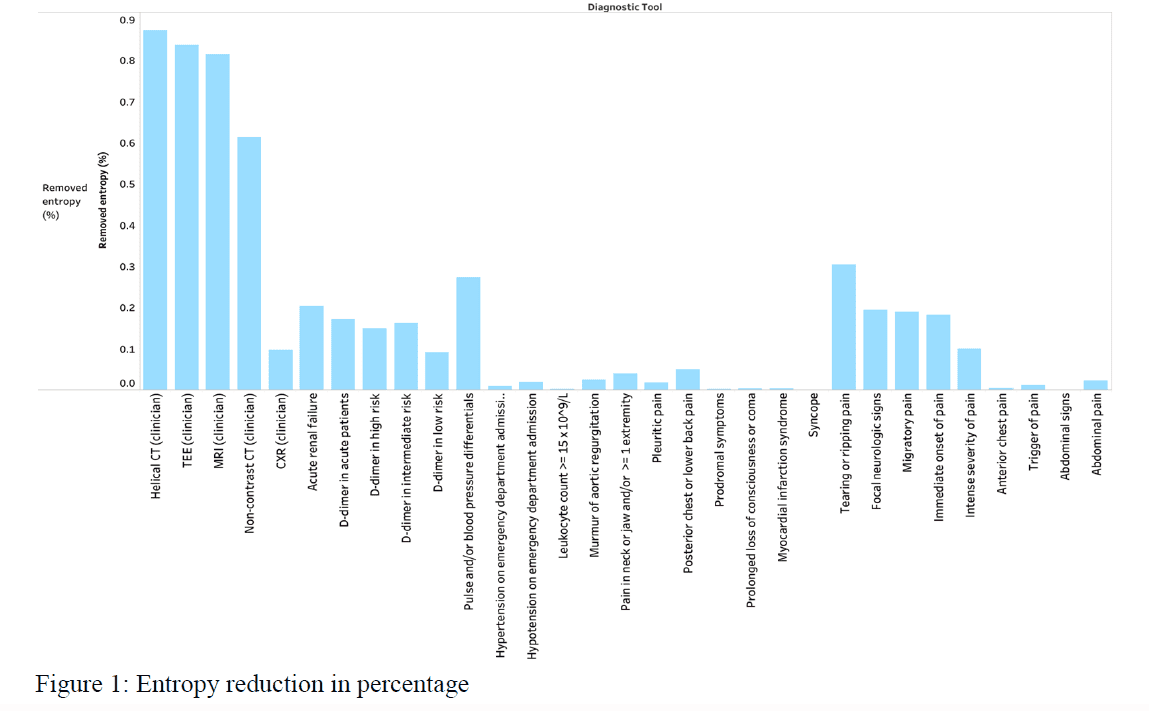
Figure 1: Entropy reduction in percentage
Among the imaging modalities, helical CT had the highest entropy reduction at 87.23%. Mediastinal widening had the highest entropy (21.89%) when comparing it to other clinical findings. Occurrence of acute renal failure (20.41%) and the experience of tearing or ripping pain (30.41%) demonstrated a higher reduction in diagnostic uncertainty compared to other laboratory findings and types of pain reported, respectively. Figure 1 preserves its original fixed ordering, while Table 2 presents the fully grouped and sorted entropy-removal values.
Additionally, by examining Figure 1 from high to low reduced entropy (left to right), it becomes evident that as we accumulate more definitive clinical information, ranging from history-taking to physical examination and imaging, there is an increase in entropy reduction useful for narrowing down differential diagnoses. To clarify, in our analysis, we operate under the assumption that when we calculate the removal of entropy, it is done in an independent manner, not simultaneously. This approach is due to our adoption of a decision tree model, which is structured to yield binary outcomes at each decision node. In other words, when encountering two or more findings or tests, we construct a decision tree. In this structure, the parent node initially holds the entropy, while the child node reflects the entropy after identifying the combination of findings. This approach enables us to calculate entropy removal effectively.
To effectively analyze two independent pieces of information in a sequential manner, we propose the construction of two interconnected decision trees. Initially, we assess the impact of elevated creatinine levels, calculating the entropy reduction (using TP, FP, FN, TN) associated with this condition alone. Subsequently, for the subset of individuals identified with high creatinine levels, we proceed to perform a CT scan to diagnose aortic dissection. At this second stage, we continue on calculating the True Positives (TP), False Positives (FP), False Negatives (FN), True Negatives (TN) and subsequently the information gain for the presence of aortic dissection within this specific group.
Discussion
Extensive research has been conducted on the issue of diagnostic uncertainty in the medical literature [15]Defining and Measuring Diagnostic Uncertainty in Medicine: A Systematic Review. J Gen Intern Med. 2018 Jan;33(1):103-115. doi: 10.1007/s11606-017-4164-1. PMID:28936618; PMCID: PMC5756158.. However, current methods aimed at addressing this problem, such as relying on clinical reasoning i.e. Evidence Based Medicine and utilizing metrics like sensitivity and specificity, lack flexibility and fail to comprehensively integrate patient-specific factors (16de Alencar Neto, J.N., Santos-Neto, L. The Post Hoc Pitfall: Rethinking Sensitivity and Specificity in Clinical Practice. J GEN INTERN MED (2024). https://doi.org/10.1007/s11606-024-08692-z). These traditional approaches, although valuable, often fail to fully consider the rapidly changing and complex situations typically encountered in EM [17]The Post Hoc Pitfall: Rethinking Sensitivity and Specificity in Clinical Practice. J GEN INTERN MED (2024). https://doi.org/10.1007/s11606-024-08692-z. Therefore, employing entropy and entropy removal, which quantify uncertainty, in specific scenarios such as aortic dissection in the emergency department, can underscore the advantages of utilizing them as metrics [6]Entropy removal of medical diagnostics. Sci Rep. 2024 Jan 12;14(1):1181. doi: 10.1038/s41598-024-51268-4. PMID: 38216607; PMCID: PMC10786933..
This is particularly valuable in situations where diagnostic uncertainty is high, such as in complex cases like aortic dissection. By considering the uncertainty inherent in medical diagnoses, entropy removal provides a more nuanced understanding of test performance and can better guide clinical decision-making. Additionally, entropy removal has the potential to adapt to changing patient conditions and evolving clinical scenarios, offering a more flexible and comprehensive approach to diagnostic assessment in the fast-paced and unpredictable environment of the ED. Thus, while sensitivity and specificity remain important metrics in medical diagnostics, entropy removal provides an additional complementary perspective that enhances our ability to navigate the complexities of emergency medicine and improve patient care.
In this study, we observed a positive correlation between entropy removal and both sensitivity and specificity, as detailed in Table 2. This result is expected from the equation of entropy removal which uses sensitivity and specificity as inputs. From an efficiency standpoint, entropy removal offers a single, unified metric that complements traditional measures such as sensitivity and specificity and can help synthesize their information into a single index of diagnostic uncertainty. This approach simplifies the determination of the most effective diagnostic tool by consolidating critical data into a single, comprehensive measure. Indeed, upon comparing the specificity and sensitivity of both MRI and Helical CT, it's evident that each modality significantly contributes to achieving an accurate diagnosis. However, when considering entropy removal as a metric, Helical CT demonstrates a greater capacity for entropy removal than MRI. This distinction suggests that, beyond conventional measures of diagnostic performance, Helical CT may offer enhanced effectiveness in reducing diagnostic uncertainty, thereby providing a more definitive analysis for certain medical conditions [18]Aortic dissection: diagnosis and follow-up with helical CT. Radiographics. 1999;19(1):45-150. doi:10.1148/radiographics.19.1.g99ja0945.
Moreover, entropy removal considers the sequence of diagnostic events, an aspect not captured by sensitivity and specificity. This feature is particularly valuable in emergency medicine, where the order of actions can critically influence patient outcomes. By accounting for the chronological progression of diagnostic interventions, entropy removal provides crucial insights into the most effective sequence of tests, thereby enhancing decision-making in high-stakes situations where time and accuracy are paramount. While PPV and NPV are intrinsically prevalence-dependent, we included them alongside sensitivity, specificity, and entropy removal to reflect how clinicians interpret test performance in real-world settings.
Nevertheless, there are some limitations to our study. Firstly, the dynamic nature of entropy, which can fluctuate based on the sequence of operations, remains unexplored in our analysis. This aspect holds significant potential for deepening our understanding of diagnostic accuracy and should be a focal point for subsequent investigations. Additionally, our analysis is based on secondary diagnostic accuracy data derived from published studies and a curated diagnostic database. These studies differ in design, inclusion criteria, and clinical settings, which introduces heterogeneity into the underlying 2x2 tables. Such variability may influence both traditional metrics and entropy-based measures and limits the direct comparability of our results across tools and populations. Future studies should leverage harmonized datasets or electronic medical record-based cohorts to more rigorously evaluate entropy removal in real-world emergency department workflows.
By addressing these limitations, future research can enhance the precision and applicability of findings in the medical field.
References
Bartol, T. Thoughtful use of diagnostic testing: Making practical sense of sensitivity, specificity, and predictive value. The Nurse Practitioner 40, 10-12 (2015).
Naeger, D. M., Kohi, M. P., Webb, E. M., Phelps, A., Ordovas, K. G., & Newman, T. B.. Correctly using sensitivity, specificity, and predictive values in clinical practice: how to avoid three common pitfalls. American journal of roentgenology 200, W566-W570 (2013).
Juszczuk P, Kozak J, Dziczkowski G, Głowania S, Jach T, Probierz B. Real-World Data Difficulty Estimation with the Use of Entropy. Entropy 23, 1-36 (2021).
Claude Shannon, 2021. "A Mathematical Theory of Communication (1948)", Ideas That Created the Future: Classic Papers of Computer Science, Harry R. Lewis.
Harris KM, Nienaber CA, Peterson MD, et al. Early Mortality in Type A Acute Aortic Dissection: Insights From the International Registry of Acute Aortic Dissection. JAMA Cardiol. 2022;7(10):1009–1015. doi:10.1001/jamacardio.2022.2718
He S, Chong P, Yoon BJ, Chung PH, Chen D, Marzouk S, Black KC, Sharp W, Safari P, Goldstein JN, Raja AS, Lee J. Entropy removal of medical diagnostics. Sci Rep. 2024 Jan 12;14(1):1181. doi: 10.1038/s41598-024-51268-4. PMID: 38216607; PMCID: PMC10786933.
Shiga T, Wajima Z, Apfel CC, Inoue T, Ohe Y. Diagnostic accuracy of transesophageal echocardiography, helical computed tomography, and magnetic resonance imaging for suspected thoracic aortic dissection: systematic review and meta-analysis. Arch Intern Med. 2006;166(13):1350-1356. doi:10.1001/archinte.166.13.1370
Lee DK, Kim JH, Oh J, et al. Detection of acute thoracic aortic dissection based on plain chest radiography and a residual neural network (Resnet) [published correction appears in Sci Rep. 2023 Feb 9;13(1):2324]. Sci Rep. 2022;12(1):21884. Published 2022 Dec 19. doi:10.1038/s41598-022-26486-8
von Kodolitsch Y, Nienaber CA, Dieckmann C, et al. Chest radiography for the diagnosis of acute aortic syndrome. Am J Med. 2004;116(2):73-77. doi:10.1016/j.amjmed.2003.08.030
Nazerian P, Morello F, Vanni S, et al. Combined use of aortic dissection detection risk score and D-dimer in the diagnostic workup of suspected acute aortic dissection. International journal of cardiology. 2014;175(1):78-82. doi:10.1016/j.ijcard.2014.04.257
Asha SE, Miers JW. A Systematic Review and Meta-analysis of D-dimer as a Rule-out Test for Suspected Acute Aortic Dissection. Annals of emergency medicine. 2015;66(4):368-378. doi:10.1016/j.annemergmed.2015.02.013
Hata A, Yanagawa M, Yamagata K, et al. Deep learning algorithm for detection of aortic dissection on non-contrast-enhanced CT. European radiology. 2021;31(2):1151-1159. doi:10.1007/s00330-020-07213-w
von Kodolitsch Y, Schwartz AG, Nienaber CA. Clinical Prediction of Acute Aortic Dissection. Arch Intern Med. 2000;160(19):2977–2982. doi:10.1001/archinte.160.19.2977
Hammer MM, Kohlberg GDGet the Diagnosis: an evidence-based medicine collaborative Wiki for diagnostic test accuracy. Postgraduate Medical Journal 93, 179-185 (2017)
Bhise V, Rajan SS, Sittig DF, Morgan RO, Chaudhary P, Singh H. Defining and Measuring Diagnostic Uncertainty in Medicine: A Systematic Review. J Gen Intern Med. 2018 Jan;33(1):103-115. doi: 10.1007/s11606-017-4164-1. Epub 2017 Sep 21. PMID:28936618; PMCID: PMC5756158.
de Alencar Neto, J.N., Santos-Neto, L. The Post Hoc Pitfall: Rethinking Sensitivity and Specificity in Clinical Practice. J GEN INTERN MED (2024). https://doi.org/10.1007/s11606-024-08692-z
Monaghan TF, Rahman SN, Agudelo CW, Wein AJ, Lazar JM, Everaert K, Dmochowski RR. Foundational Statistical Principles in Medical Research: Sensitivity, Specificity, Positive Predictive Value, and Negative Predictive Value. Medicina (Kaunas). 2021 May 16;57(5):503. doi: 10.3390/medicina57050503. PMID: 34065637; PMCID: PMC8156826.
Sebastià C, Pallisa E, Quiroga S, Alvarez-Castells A, Dominguez R, Evangelista A. Aortic dissection: diagnosis and follow-up with helical CT. Radiographics. 1999;19(1):45-150. doi:10.1148/radiographics.19.1.g99ja0945
Declarations
Ethics approval and consent to participate
The manuscript reports that this study is exempt from IRB review of Massachusetts General Hospital and Harvard Medical School because it used existing publicly available data and subjects could not be identified directly or through linked identifiers.
Consent for publication
Not applicable.
Availability of data and materials
This article uses existing publicly available diagnostic-performance data described in the manuscript.
Competing interests
The authors declare no commercial or financial conflict of interest.
Funding
No funding was received for this research.
Authors' contributions
Daerin Hwang: Writing - original draft; Writing - review and editing; Conceptualization; Supervision; Validation; Data curation | Abdel Badih El Ariss: Writing - review and editing; Validation | Norawit Kijpaisalratana: Writing - review and editing; Validation | Paul Chong: Writing - review and editing; Validation | David Chen: Writing - review and editing; Validation | Ahmad Hassan: Writing - review and editing; Validation | Pedram Safari: contribution details not captured