


The complex and evolving healthcare demands in Low- and Middle-Income Countries (LMICs) are often beyond the scope of traditional Emergency Medicine (EM) practices, creating vital gaps in the delivery of medical care. The objective of this study is to present and evaluate the InnovatED model, a low-cost, entrepreneurial approach, and demonstrate its effectiveness in addressing critical challenges within EM in LMIC settings. This model incorporates the principles of Innovation, Creativity, and Entrepreneurship (I|C|E) by fostering non-hierarchical, inclusive spaces that prioritize equity, diversity, and well-being. Through the agile problem-solving approach of 'jugaar,' InnovatED cultivates a proactive culture of innovation that adapts to the dynamic demands of modern EM and broader healthcare contexts.
Key initiatives such as Hackathons and the National Health Incubator have sparked interdisciplinary collaborations, enhancing EM education and practice. Wellness-focused startup like ZalsaED has reported high satisfaction rates, improving healthcare provider well-being, while consultancy programs like EmTEx and Innov’dBoard have streamlined policies and strategies, improving efficiency within emergency departments and past those across whole hospitals. These programs highlight InnovatED’s scalability and its potential for monetization, demonstrating its ability to adapt to diverse healthcare environments and generate sustainable solutions.
As an innovative, cost-effective bridge between traditional EM and modern healthcare needs, InnovatED is poised to optimize outcomes on a global scale. However, the integration of more robust metrics and data will be essential in quantifying its success. Addressing future challenges, fostering global adaptation, and expanding collaborative efforts will be key to enhancing the model’s credibility and impact.
Keywords: Emergency Medicine, LMICs, Low Cost, Low Tech, Disaster Medicine, Innovation, Creativity, Entrepreneurship.
Introduction/Background:
Globally, emergency medicine (EM) faces a myriad of challenges, including the burden of communicable and non-communicable diseases, and significant disparities in access to surgical care. These concerns lead to high mortality rates, especially in low- and middle-income countries (LMICs), where healthcare systems are frequently underfunded and pushed thin. This triple burden of diseases, along with disparities in healthcare access, emphasizes the crucial need for new approaches to EM1,[2]Meara JG, Leather AJM, Hagander L, et al. Global Surgery 2030: evidence and solutions for achieving health, welfare, and economic development. The Lancet. 2015;386(9993):569-624. doi:10.1016/S0140-6736(15)60160-X.
In today's rapidly evolving healthcare landscape, traditional techniques are becoming insufficient to meet the complex needs of modern healthcare. Pandemics, aging populations, and the increasing prevalence of non-communicable diseases are just a few examples that require innovative, adaptable solutions[3]Keown OP, Parston G, Patel H, et al. Lessons From Eight Countries On Diffusing Innovation In Health Care. Health Aff. 2014;33(9):1516-1522. doi:10.1377/hlthaff.2014.0382. As such, emerging solutions are slowly surfacing. 'Jugaar'—a frugal innovation method centered on agile, resourceful problem-solving offers promising avenues for improving healthcare delivery in resource-constrained contexts[4]Razzak JA, Kellermann AL. Emergency medical care in developing countries: is it worthwhile? Bull World Health Organ. 2002;80(11):900-905.. Such concepts have the potential to drastically improve the efficiency and reach of emergency care[5]Lamichhane B, Neupane N. Improved Healthcare Access in Low-resource Regions: A Review of Technological Solutions. Published online May 22, 2022..
Access to emergency care is influenced by a variety of factors, including medical necessity, patient preferences, convenience, pricing, and insurance coverage limitations[6]Kobusingye OC, Hyder AA, Bishai D, Hicks ER, Mock C, Joshipura M. Emergency medical systems in low- and middle-income countries: recommendations for action. Bull World Health Organ. 2005;83(8):626-631.. To ensure that emergency care is available, effective, and responsive to all parts of society, a comprehensive approach that considers both medical and socioeconomic health aspects is required. Recent studies demonstrate the importance of community engagement and awareness in improving emergency health outcomes. Improved community preparedness for crises can minimize treatment delays and boost survival rates. Furthermore, incorporating technology like telemedicine into Emergency Departments (EDs) has considerable advantages, especially in rural or underserved locations[7]Xiong W, Bair A, Sandrock C, Wang S, Siddiqui J, Hupert N. Implementing telemedicine in medical emergency response: concept of operation for a regional telemedicine hub. J Med Syst. 2012;36(3):1651-1660. doi:10.1007/s10916-010-9626-5.
Despite the promise of these emerging solutions, there remains a significant gap between traditional emergency medical procedures and the changing demands of modern healthcare systems. There is a noteworthy lack of a comprehensive paradigm that blends I|C|E concepts with EM research, restricting the scope for innovation and hindering improvements in patient outcomes. This divide restricts the scope for innovation and impedes the improvement of patient outcomes[8]Aluisio AR, Waheed S, Cameron P, et al. Clinical emergency care research in low-income and middle-income countries: opportunities and challenges. BMJ Glob Health. 2019;4(Suppl 6):e001289. doi:10.1136/bmjgh-2018-001289.
This article presents InnovatED, a novel model designed to bridge the gap between traditional EM and the changing demands of contemporary healthcare by utilizing the concept of I|C|E in EM. With a focus on resource-constrained environments, InnovatED seeks to provide innovative and sustainable solutions that improve patient outcomes and boost healthcare system efficiency. The article also explores how InnovatED may be employed globally to address persistent issues in EM and promote significant, long-lasting change.
InnovatED Model Overview:
InnovatED, developed in response to the growing need for new approaches, integrates I|C|E into EM. This wide-ranging, low-cost, and low-tech model shown in figure 1 not only supports the incorporation of progressive, cross-disciplinary solutions to both EM and the broader healthcare challenges but also emphasizes the importance of empathy-driven approaches in the innovation process. Based on human (patient)-centered design thinking, InnovatED seeks practical, sustainable treatments that are contextually appropriate to the challenges encountered in LMIC EDs[8]Aluisio AR, Waheed S, Cameron P, et al. Clinical emergency care research in low-income and middle-income countries: opportunities and challenges. BMJ Glob Health. 2019;4(Suppl 6):e001289. doi:10.1136/bmjgh-2018-001289,[9]Syed SB, Dadwal V, Martin G. Reverse innovation in global health systems: towards global innovation flow. Global Health. 2013;9(1):36. doi:10.1186/1744-8603-9-36.
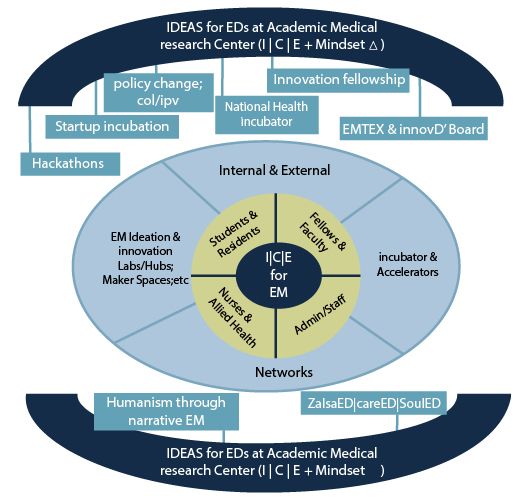
Figure 1. InnovatED Framework for Academic Medical Research Centers. A schematic representation of the InnovatED model, emphasizing the integration of (I|C|E) in academic medical research centers.
Pivotal to the InnovatED model is the fostering of non-hierarchical, inclusive spaces that encourage equity, diversity, and well-being among healthcare professionals. By nurturing a proactive innovation culture, InnovatED integrates three core pillars: frugal innovation, human-centered design, and low-cost fast iteration. These strategies, exemplified by the concept of 'jugaar'; a frugal, agile problem-solving method, promote creative solutions under resource constraints, which are particularly vital in LMIC settings where high-cost solutions may be impractical[10]A. Mian, W. Farooqi, F. Subhani. Medjack: The Extraordinary Journey of an Ordinary Hack.; 2021.. Far from being mere academic concepts, these pillars are pragmatic steps that enhance patient care and equip healthcare professionals with the tools and methods to be effective in challenging environments. InnovatED also emphasizes prevention, early diagnosis, and preemptive therapy, demonstrating how exponential technologies combined with biomedical entrepreneurship can refine global healthcare[11]Mirza Noor Ali Baig, Walid Hussain Farooqi, Asad Mian, Admin. Innovation in emergency medicine. a perspective from a low middle income country- Pakistan. J Pak Med Assoc. Published online November 21, 2020:1-6. doi:10.47391/JPMA.1272.
InnovatED differs from other EM frameworks in that it focuses on open innovation, which integrates internal and external ideas and market paths to increase global cooperation12. This approach encourages meaningful co-creation, which increases impact and value in the healthcare field. InnovatED employs a variety of methodologies, including benchmarking, prototyping, and iterative development of new solutions. Tools like Innov'dBoard facilitate this process by providing a data-driven, low-risk platform for evaluating and developing an ED's innovation capabilities. By ensuring that innovations are both cost-effective and impactful, InnovatED acts as a forward-thinking model for improving patient care and healthcare delivery efficiency worldwide.
Prototyping and Implementation:
Hackathons: Hackathons have shown to be an effective instrument for EM innovation. One noteworthy example is the Critical Creative Innovative Thinking (CCIT) forum's inaugural medical hackathon at Aga Khan University, called Hack V.1.0. A wide range of participants, including students, medical professionals, engineers, and IT specialists, came together for this two and a half-day seminar to discuss the difficulties encountered in emergency rooms around Pakistan[13]Dandonoli P. Open innovation as a new paradigm for global collaborations in health. Global Health. 2013;9(1):41. doi:10.1186/1744-8603-9-41.
One of the hackathon's notable creations was the "Breath Hacks Automated Bagger." It's a basic, low-cost gadget that helps patients breathe while they wait for a ventilator, particularly in areas where resources are limited. By automating the procedure, it not only kept patients stable, but it also relieved some of the strain on overburdened healthcare professionals. The prototype, developed rapidly, demonstrated local manufacturability for approximately Rs. 2,000 (~US $7), with potential for further cost reduction at scale[14]Berger E. Karachi Hackathon Takes on Emergency Medicine Challenges. Ann Emerg Med. 2017;69(3):A17-A20. doi:10.1016/j.annemergmed.2017.01.017. The team received an award and has been collaborating with the Aga Khan University eHealth Resource Center to refine the design. Another novel concept, "HistorER Card," proposes using QR codes on medical health cards to improve the history-taking process in emergency rooms, increasing efficiency and accuracy in patient treatment[14]Berger E. Karachi Hackathon Takes on Emergency Medicine Challenges. Ann Emerg Med. 2017;69(3):A17-A20. doi:10.1016/j.annemergmed.2017.01.017.
These hackathons highlight the need for interdisciplinary collaboration in developing practical, meaningful solutions to the difficulties of EM in low-resource settings.
Wellness Startups
ZalsaED: ZalsaED, an innovative wellness startup initiative, was conceived to address the pervasive issue of burnout among emergency department clinicians through the integration of Zumba and Salsa dance modalities. This program was initially piloted via open-house sessions conducted at Aga Khan University Hospital (AKUH) in Karachi from July to September 2023. The initiative successfully engaged 107 participants, notably comprising 80% women within the 20-39 age bracket and 41% medical students, thereby demonstrating substantial cross-campus appeal. A mixed-methods, quasi-experimental study[15]Waqas S, Ahsan Z, Pervaiz A, et al. Zalsa: A Contextualized Low-cost and Low-tech Wellness and Well-being Innovation for University Students. ConductScience Journal. 2025;1(2):53-66. doi:10.55157/csj.v1i2.06, which employed a 20-item survey, was utilized to ascertain self-reported outcomes. The mean aggregate satisfaction scores indicated high levels of perceived benefit across several key domains: overall quality of life (79.9%), psychological well-being (72.4%), work-life balance (72.7%), and intention to continue participation (75%). Physical well-being, while positive, registered a slightly lower score of 67.3%. Intriguingly, participants aged ≥35 years exhibited superior outcomes across all assessed wellness domains when compared to their younger counterparts. With up to 90% of respondents reporting a moderate-to-high degree of perceived benefit, these findings collectively underscore ZalsaED's potential as an engaging and culturally resonant complement to extant wellness strategies within high-stress clinical environments
Educational and Entrepreneurial Programs
EmTEx (Emergency and Trauma Excellence): One of the earliest inventions that came out of CCIT was EmTEx, a consultancy-based program aimed at elevating emergency and trauma care, especially in under-resourced environments. The lack of quality care in urgent care clinics and emergency rooms across the country accounts for high morbidity and mortality amongst patients. Through a series of seminars, workshops, and direct consultations, EmTEx provides healthcare professionals with the necessary tools and knowledge to achieve excellence in EM. This program integrates local practices with global standards, delivering high-quality treatment even in challenging conditions[16]Mian A, Anver MT, Sulaiman M, et al. Transforming Emergency Care: Scalable Clinical Audit Innovations for Emerging Markets. ConductScience Journal. 2025;1(1):1-14. doi:10.55157/csj.v2i1.1.
Innov’dBoard: Innov'dBoard is an innovative dashboard that benchmarks and improves EDs' innovation capability by incorporating I|C|E concepts. This application offers a structured way to track and execute new ideas, as well as a playbook of techniques that can be customized to meet the unique demands of different departments. A key feature is the Innovation Skills Assessment (ISA) tool, which evaluates staff across four pillars comprising idea generation, risk-taking, relationship building, and turning ideas into action. A pilot study of 130 ED staff at Aga Khan University Hospital (AKUH) in Karachi revealed average pillar scores ranging from risk-taking to relationship skills. Male employees exhibited marginally higher composite ISA scores, though not statistically significant (t=1.52, p=0.13). Nurses outperformed physicians in interpersonal and relationship skills (4.0±0.6 vs 3.6±0.7; Cohen’s d=0.63, t=2.9, p=0.004), with physicians showing no advantage in other pillars. Staff aged ≥45 years excelled in idea generation (3.9±0.7) and relationship building (4.1±0.5) but lagged in entrepreneurial drive (3.5±0.8). The tool provides real-time data to support sustainable innovation in healthcare contexts[17]Tahir HN, Raheem A, Allana ZA, MacKay D, Farooqi W, Mian A. Innovation Skills Assessment and Variation among Healthcare Employees in the Emergency Department: A Cross-sectional Study. Eurasian Journal of Emergency Medicine. 2024;23(1):26-34. doi:10.4274/eajem.galenos.2023.10327. Innov'dBoard has been crucial in assisting EM teams in systematically improving their innovation methods, ensuring that their efforts are both sustainable and effective.
Innovation Fellowship: The CCIT forum at Aga Khan University launched the Innovation Fellowship (IF) program in 2019 with the objective of providing young professionals with key competencies in healthcare innovation, creativity, design thinking, and entrepreneurship. There have been 4 cohorts, each with 3-5 fellows from disciplines such as biomedical engineering, nursing, fintech, mechanical engineering, MBBS, and data science. The fellows were supervised and mentored by specialists in innovation. Each fellow delivered capstone projects that addressed real-world healthcare issues based on identified research needs. By integrating academic knowledge with actual experience, the IF program effectively trained future leaders to build scalable solutions and stimulate innovation in low-resource environments[10]A. Mian, W. Farooqi, F. Subhani. Medjack: The Extraordinary Journey of an Ordinary Hack.; 2021., The graduates of this program have gone on to develop thriving, innovative enterprises across a wide range of fields.
Medjack & ICEd Coffee Webinars: The Medjack & ICEd Coffee Webinar Series, which began in October 2021, conducts interactive sessions that explore the I|C|E opportunities in healthcare and beyond. These webinars feature talks with global innovators who share insights and experiences that help to build an innovative culture in the medical community. With over 70 successful global partnerships and 45 live sessions, these webinars have established themselves as an important forum for information exchange and the dissemination of innovative healthcare concepts.[10]A. Mian, W. Farooqi, F. Subhani. Medjack: The Extraordinary Journey of an Ordinary Hack.; 2021.,[18]Farooqi W, Subhani F, Mian A. Paediatric innovation in Pakistan: our experience and a call to action. Arch Dis Child. 2017;102(10):963-967. doi:10.1136/archdischild-2016-312123
The journey of InnovatED: A Rocky Path
The InnovatED platform is developed with scalability in consideration, making it highly adaptable to a wide range of healthcare settings in LMICs and beyond. One of the most exciting characteristics of InnovatED is its ability to grow and commercialize, producing additional revenue sources that can be reinvested in future innovation and development. By leveraging I|C|E principles, InnovatED can create job opportunities for youth, especially in areas with limited economic options.
Table 1. Key Strategies and Impacts of InnovatED. A summary of scalability, social, and financial strategies underpinning the InnovatED framework, showcasing its adaptability, societal benefits, and economic sustainability.
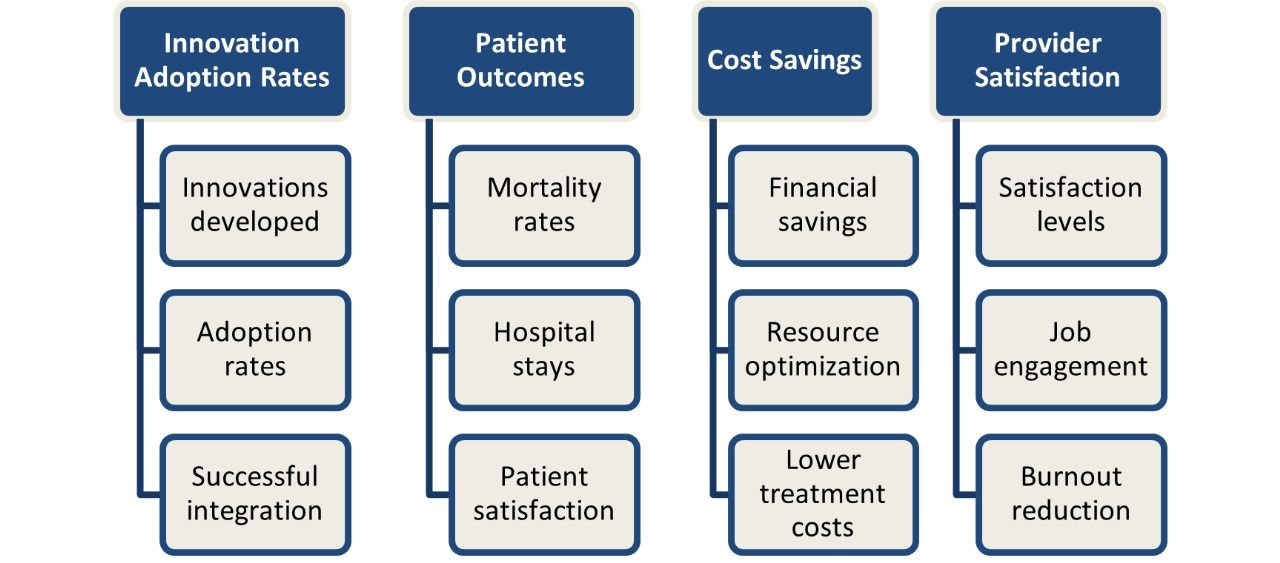
As the InnovatED model continues to grow and evolve, the need for specific metrics to measure its success becomes increasingly important. While the positive effects of InnovatED initiatives, such as enhanced innovation capacity and better patient outcomes, are clear, establishing solid and quantifiable metrics is crucial for fairly evaluating the model's effectiveness. These metrics, as depicted in figure 2, include:
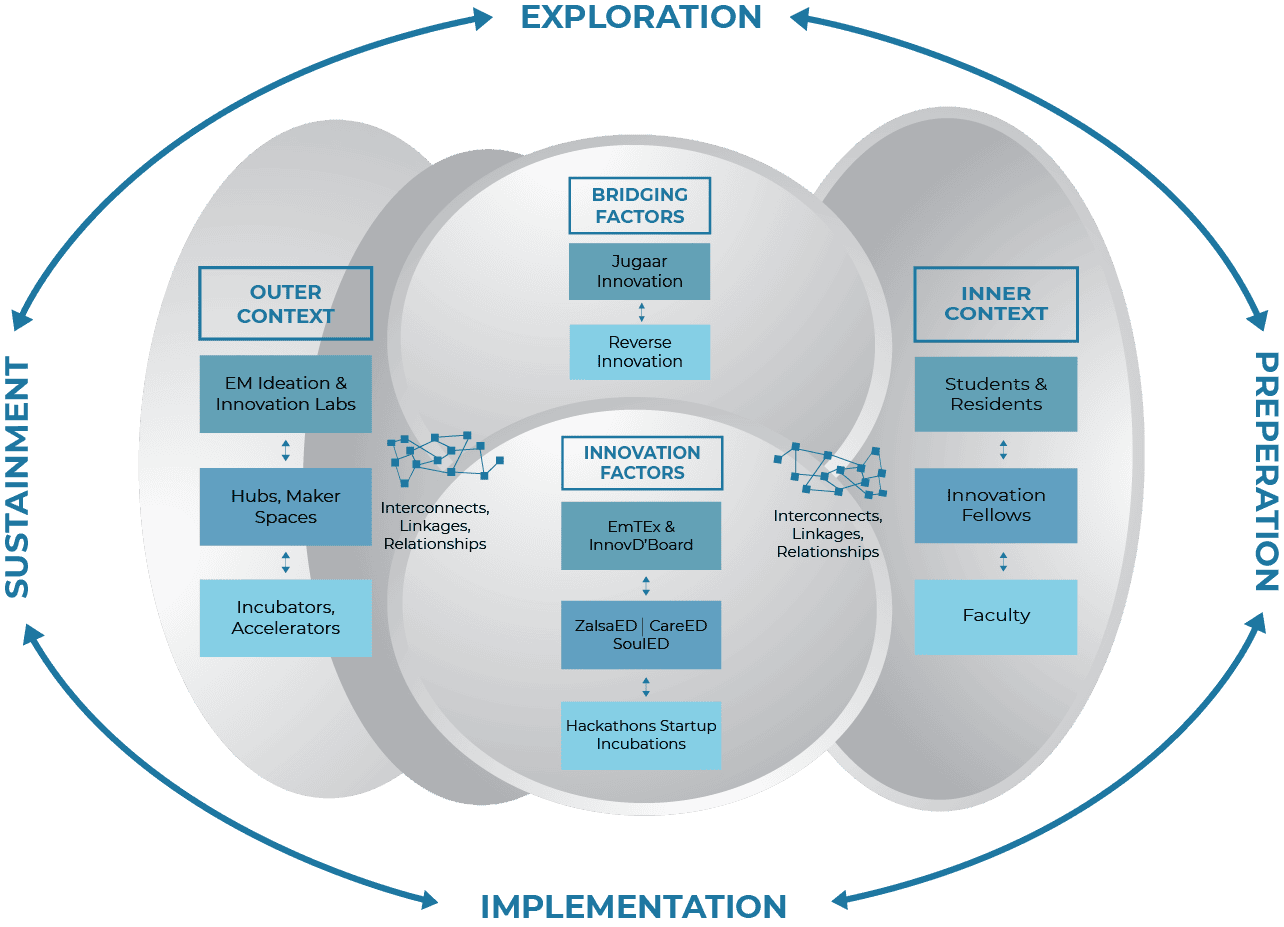
Figure 2. Metrics for Evaluating the InnovatED Model. A detailed breakdown of the key metrics used to assess InnovatED's impact along with their associated subcategories.
- Innovation Adoption Rates: Tracking the number of innovations developed, adopted, and successfully integrated into healthcare practices across various settings.
- Patient Outcomes: Measuring improvements in patient care, such as reduced mortality rates, shortened hospital stays, and enhanced patient satisfaction.
- Cost Savings: Quantifying the financial savings achieved through the implementation of cost-effective solutions developed under the InnovatED framework.
- Healthcare Provider Satisfaction: Monitoring changes in healthcare provider satisfaction, job engagement, and reduction in burnout levels as a result of participating in InnovatED initiatives.
Global Adaptation
Adapting the InnovatED model to diverse global healthcare environments presents several challenges. The healthcare landscape varies significantly across regions, influenced by factors such as available resources, cultural differences, regulatory frameworks, and existing healthcare infrastructure. These variations can pose obstacles to the widespread adoption of InnovatED principles[20]Chaudoir SR, Dugan AG, Barr CH. Measuring factors affecting implementation of health innovations: a systematic review of structural, organizational, provider, patient, and innovation level measures. Implementation Science. 2013;8(1):22. doi:10.1186/1748-5908-8-22.
For example:
- Resource availability: In some regions, the lack of essential resources, such as trained personnel or basic medical supplies, may limit the ability to implement certain innovations.
- Cultural acceptance: Innovations must be culturally sensitive and aligned with local values and practices. Solutions that work well in one context may not be accepted or effective in another.
- Regulatory hurdles: Different countries have varying regulatory requirements for healthcare innovations, which can slow down the implementation process and require significant adaptations to meet local standards.
To overcome these challenges, it is crucial to tailor the InnovatED model to the specific needs and circumstances of each healthcare environment. This may involve adapting the model's components, such as the focus of hackathons or the design of wellness programs, to align with local contexts. Additionally, fostering partnerships with local healthcare providers and authorities can help navigate regulatory landscapes and ensure that innovations are both compliant and impactful.
To effectively scale innovations, a structured approach is recommended, beginning with ideation, progressing to prototyping, followed by controlled pilots, rigorous outcome evaluations, and concluding with phased expansions. Adhering to the I|C|E (Innovation, Creativity, and Entrepreneurship) principles (sequencing ideation, prototyping, and then implementation) facilitates a deeper understanding of the entire process. This methodology serves as a critical fail-safe, mitigating risks and preventing significant investments of time and capital before an innovation's viability is thoroughly established.
Future Directions
The future of healthcare innovation will likely be shaped by the ongoing integration of I|C|E concepts into EM and broader practices. As technological advancements continue to reshape healthcare delivery and the complexity of healthcare challenges escalates, the imperative for inventive and adaptable solutions intensifies, simultaneously underscoring the enduring significance of a profoundly human-centered approach to care. InnovatED is strategically positioned to capitalize on these evolving dynamics, thereby ensuring that healthcare provision remains agile, responsive, and highly effective.
Emerging Trends and Strategic Integration
InnovatED's inherently adaptable and human-centered methodology positions it favorably to integrate pivotal emerging trends:
- Digital Health and Telemedicine: The healthcare landscape is undergoing a profound transformation, shifting towards digital platforms that encompass telemedicine, artificial intelligence (AI), and data-driven care. InnovatED's strategic imperative involves the integration of real-time analytics, AI-driven decision support systems, and telehealth-based remote interventions directly into its innovation framework. This initiative transcends mere adaptation; it represents a proactive endeavor to engineer systems capable of addressing patient needs with enhanced speed and intelligence, while meticulously preserving the indispensable human element in care delivery [21]Sharma AA, Lee KC, Garibyan L. A call to action: why medical education curriculum needs to encourage young physicians to innovate. Arch Dermatol Res. 2022;314(5):499-501. doi:10.1007/s00403-020-02180-0.
- Personalized Healthcare: The era of standardized, "one-size-fits-all" healthcare is receding, supplanted by the critical necessity to address the unique demands of individual patients. InnovatED intends to leverage its established innovation methodologies, including the Innovation Skills Assessment (ISA), to guide multidisciplinary teams in the conceptualization and development of patient-specific care models. By cultivating entrepreneurial mindsets among healthcare professionals, InnovatED will facilitate the rapid prototyping of personalized interventions and the rigorous evaluation of their scalability and efficacy, thereby achieving a judicious balance between individual uniqueness and broader applicability [21]Sharma AA, Lee KC, Garibyan L. A call to action: why medical education curriculum needs to encourage young physicians to innovate. Arch Dermatol Res. 2022;314(5):499-501. doi:10.1007/s00403-020-02180-0.
- Global Health Networks: Acknowledging the intrinsic value of international collaboration, InnovatED is committed to further developing platforms such as the MEDJACK Global Webinar Series into formalized international innovation networks. These networks are designed to foster comprehensive knowledge exchange, facilitate collaborative co-design sessions, and enable robust innovation benchmarking. Such initiatives will empower healthcare professionals globally to collectively address emergent health challenges. This underscores the fundamental principle that, notwithstanding advancements in tools and technology, optimal solutions invariably arise from shared knowledge and concerted teamwork[21]Sharma AA, Lee KC, Garibyan L. A call to action: why medical education curriculum needs to encourage young physicians to innovate. Arch Dermatol Res. 2022;314(5):499-501. doi:10.1007/s00403-020-02180-0.
Through the strategic embedding of digital health technologies, patient-centered innovation paradigms, and robust global connectivity, InnovatED is poised to maintain its vanguard position, actively contributing to the definition of the future trajectory of healthcare delivery.
EPIS Framework
The Exploration, Preparation, Implementation, and Sustainment (EPIS) framework offers a structured approach to scaling healthcare innovations. By applying EPIS to the InnovatED model, healthcare leaders can strategically evaluate and adapt its initiatives, ensuring sustainability and effectiveness across different environments. This model will be particularly useful in guiding the global adaptation of InnovatED, helping to navigate the complexities of implementing innovations in diverse settings[22]Moullin JC, Dickson KS, Stadnick NA, Rabin B, Aarons GA. Systematic review of the Exploration, Preparation, Implementation, Sustainment (EPIS) framework. Implementation Science. 2019;14(1):1. doi:10.1186/s13012-018-0842-6 This framework is explained using figure 3 below. The “outer contexts” are the sources of new ideas, that cultivate a thought-provoking environment amongst the “inner contexts”, which is the workforce. The bridging factors are the concepts that can be utilized for problem solving and creating the innovation factors, which are full scale solutions.
Figure 3. EPIS Framework for Scaling Healthcare Innovations. A visual depiction of the Exploration, Preparation, Implementation, and Sustainment (EPIS) framework as applied to the InnovatED model.
Conclusion:
The InnovatED model provides a novel and innovative approach to bridging the gap between traditional EM and the changing needs of modern healthcare, particularly in low- and middle-income nations. By emphasizing frugality and resourcefulness, InnovatED's I|C|E principles address the unique problems these regions confront in providing effective healthcare solutions. Healthcare professionals, policymakers, and innovators are encouraged to apply this model to their own unique contexts, optimizing outcomes, especially in LMICs, where cost-effective solutions are a necessity. InnovatED provides a powerful blueprint for creating more inclusive, resilient, and innovative emergency care systems with a lasting impact on healthcare as a whole.
References:
1. Razzak J, Usmani MF, Bhutta ZA. Global, regional and national burden of emergency medical diseases using specific emergency disease indicators: analysis of the 2015 Global Burden of Disease Study. BMJ Glob Health. 2019;4(2):e000733. doi:10.1136/bmjgh-2018-000733
2. Meara JG, Leather AJM, Hagander L, et al. Global Surgery 2030: evidence and solutions for achieving health, welfare, and economic development. The Lancet. 2015;386(9993):569-624. doi:10.1016/S0140-6736(15)60160-X
3. Keown OP, Parston G, Patel H, et al. Lessons From Eight Countries On Diffusing Innovation In Health Care. Health Aff. 2014;33(9):1516-1522. doi:10.1377/hlthaff.2014.0382
4. Razzak JA, Kellermann AL. Emergency medical care in developing countries: is it worthwhile? Bull World Health Organ. 2002;80(11):900-905.
5. Lamichhane B, Neupane N. Improved Healthcare Access in Low-resource Regions: A Review of Technological Solutions. Published online May 22, 2022.
6. Kobusingye OC, Hyder AA, Bishai D, Hicks ER, Mock C, Joshipura M. Emergency medical systems in low- and middle-income countries: recommendations for action. Bull World Health Organ. 2005;83(8):626-631.
7. Xiong W, Bair A, Sandrock C, Wang S, Siddiqui J, Hupert N. Implementing telemedicine in medical emergency response: concept of operation for a regional telemedicine hub. J Med Syst. 2012;36(3):1651-1660. doi:10.1007/s10916-010-9626-5
8. Aluisio AR, Waheed S, Cameron P, et al. Clinical emergency care research in low-income and middle-income countries: opportunities and challenges. BMJ Glob Health. 2019;4(Suppl 6):e001289. doi:10.1136/bmjgh-2018-001289
9. Syed SB, Dadwal V, Martin G. Reverse innovation in global health systems: towards global innovation flow. Global Health. 2013;9(1):36. doi:10.1186/1744-8603-9-36
10. A. Mian, W. Farooqi, F. Subhani. Medjack: The Extraordinary Journey of an Ordinary Hack.; 2021.
11. Mirza Noor Ali Baig, Walid Hussain Farooqi, Asad Mian, Admin. Innovation in emergency medicine. a perspective from a low middle income country- Pakistan. J Pak Med Assoc. Published online November 21, 2020:1-6. doi:10.47391/JPMA.1272
12. Friebe M. Healthcare in need of innovation: exponential technology and biomedical entrepreneurship as solution providers (Keynote Paper). In: Fei B, Linte CA, eds. Medical Imaging 2020: Image-Guided Procedures, Robotic Interventions, and Modeling. SPIE; 2020:28. doi:10.1117/12.2556776
13. Dandonoli P. Open innovation as a new paradigm for global collaborations in health. Global Health. 2013;9(1):41. doi:10.1186/1744-8603-9-41
14. Berger E. Karachi Hackathon Takes on Emergency Medicine Challenges. Ann Emerg Med. 2017;69(3):A17-A20. doi:10.1016/j.annemergmed.2017.01.017
15. Waqas S, Ahsan Z, Pervaiz A, et al. Zalsa: A Contextualized Low-cost and Low-tech Wellness and Well-being Innovation for University Students. ConductScience Journal. 2025;1(2):53-66. doi:10.55157/csj.v1i2.06
16. Mian A, Anver MT, Sulaiman M, et al. Transforming Emergency Care: Scalable Clinical Audit Innovations for Emerging Markets. ConductScience Journal. 2025;1(1):1-14. doi:10.55157/csj.v2i1.1
17. Tahir HN, Raheem A, Allana ZA, MacKay D, Farooqi W, Mian A. Innovation Skills Assessment and Variation among Healthcare Employees in the Emergency Department: A Cross-sectional Study. Eurasian Journal of Emergency Medicine. 2024;23(1):26-34. doi:10.4274/eajem.galenos.2023.10327
18. Farooqi W, Subhani F, Mian A. Paediatric innovation in Pakistan: our experience and a call to action. Arch Dis Child. 2017;102(10):963-967. doi:10.1136/archdischild-2016-312123
19. Winter Newsletter ACEP. American College of Emergency Physicians Section on Telehealth. ACEP. Published online 2023.
20. Chaudoir SR, Dugan AG, Barr CH. Measuring factors affecting implementation of health innovations: a systematic review of structural, organizational, provider, patient, and innovation level measures. Implementation Science. 2013;8(1):22. doi:10.1186/1748-5908-8-22
21. Sharma AA, Lee KC, Garibyan L. A call to action: why medical education curriculum needs to encourage young physicians to innovate. Arch Dermatol Res. 2022;314(5):499-501. doi:10.1007/s00403-020-02180-0
22. Moullin JC, Dickson KS, Stadnick NA, Rabin B, Aarons GA. Systematic review of the Exploration, Preparation, Implementation, Sustainment (EPIS) framework. Implementation Science. 2019;14(1):1. doi:10.1186/s13012-018-0842-6